
How Does IPL Work? Light-Based Hair Removal at Home Explained
IPL flashes broad-spectrum light that pigment in the hair absorbs. This guide covers IPL vs laser, skin and hair color, and prep steps such as shaving and a patch test.
The Calvedon Team
November 24, 2026 · 6 min read
How does IPL work? Intense pulsed light devices send a flash of broad-spectrum light at the skin, and the pigment in each hair absorbs that light and turns it into heat. Because the process depends on pigment, hair color, skin tone and prep all shape how a device is used. This guide explains the mechanism, compares IPL with laser, and walks through shaving, cleansing and a patch test.
How does IPL work on hair?
IPL stands for intense pulsed light. Instead of one narrow beam, the handset emits a range of light wavelengths through a window that you press or glide against the skin.
The hair shaft and the root contain melanin, the pigment that gives hair its color. Melanin absorbs light, and absorbed light becomes heat. This targeting of pigment is often called selective photothermolysis.
The idea is that heat gathers in the pigmented hair rather than in the surrounding tissue, which holds less pigment. A home device repeats this flash area by area, so a routine is a series of small, overlapping passes.
This article describes the mechanism only. It makes no promise about results, and individual routines differ.
IPL vs laser: what is the difference?
Both use light aimed at pigment. The main difference is the kind of light, and it changes how each tool is built and used.
| Feature | IPL | Laser |
|---|---|---|
| Light type | Broad-spectrum pulsed light | Single wavelength |
| Beam | Wide window covering a patch of skin | Narrow, focused beam |
| Where it is used | Handheld device used at home | Clinic equipment run by a trained operator |
| Targeting | Pigment in the hair | Pigment in the hair |
The two terms get mixed up, and some products are called a "laser hair remover" even though they flash broad-spectrum light. Check the product page to see which technology a device uses.
How hair and skin color affect suitability
Since the light looks for pigment, the contrast between hair and skin matters. A skin tone chart in the manual, often based on the Fitzpatrick scale, lets you place yourself before you start.
| Situation | What to know |
|---|---|
| Dark hair on lighter skin | Hair holds more pigment than the skin around it, so the light has a clear target. |
| Light blond, red, gray or white hair | Little pigment is present, so there is less for the light to absorb. |
| Darker skin tones | Skin holds more melanin, so the light can reach the skin as well as the hair. Follow the manual and its skin tone guidance closely. |
| Tanned skin | Avoid sun exposure before a session and check the manual for what it says about tanning. |
If you are unsure about your skin tone, or you have a skin condition, a mole or a tattoo in the area, ask a licensed professional before using any light-based device.
Prep steps before a session
Preparation is where much of the manual's guidance sits. Follow your device manual first, and use this as a general checklist.
- Shave the area. Some manuals ask for a clean shave so the light reaches the hair at the skin surface instead of a long strand above it.
- Cleanse and dry the skin. Remove lotion, oil and sweat, then dry fully.
- Check the area. Skip broken skin, recent sun exposure, tattoos and moles, and ask a licensed professional if you are unsure.
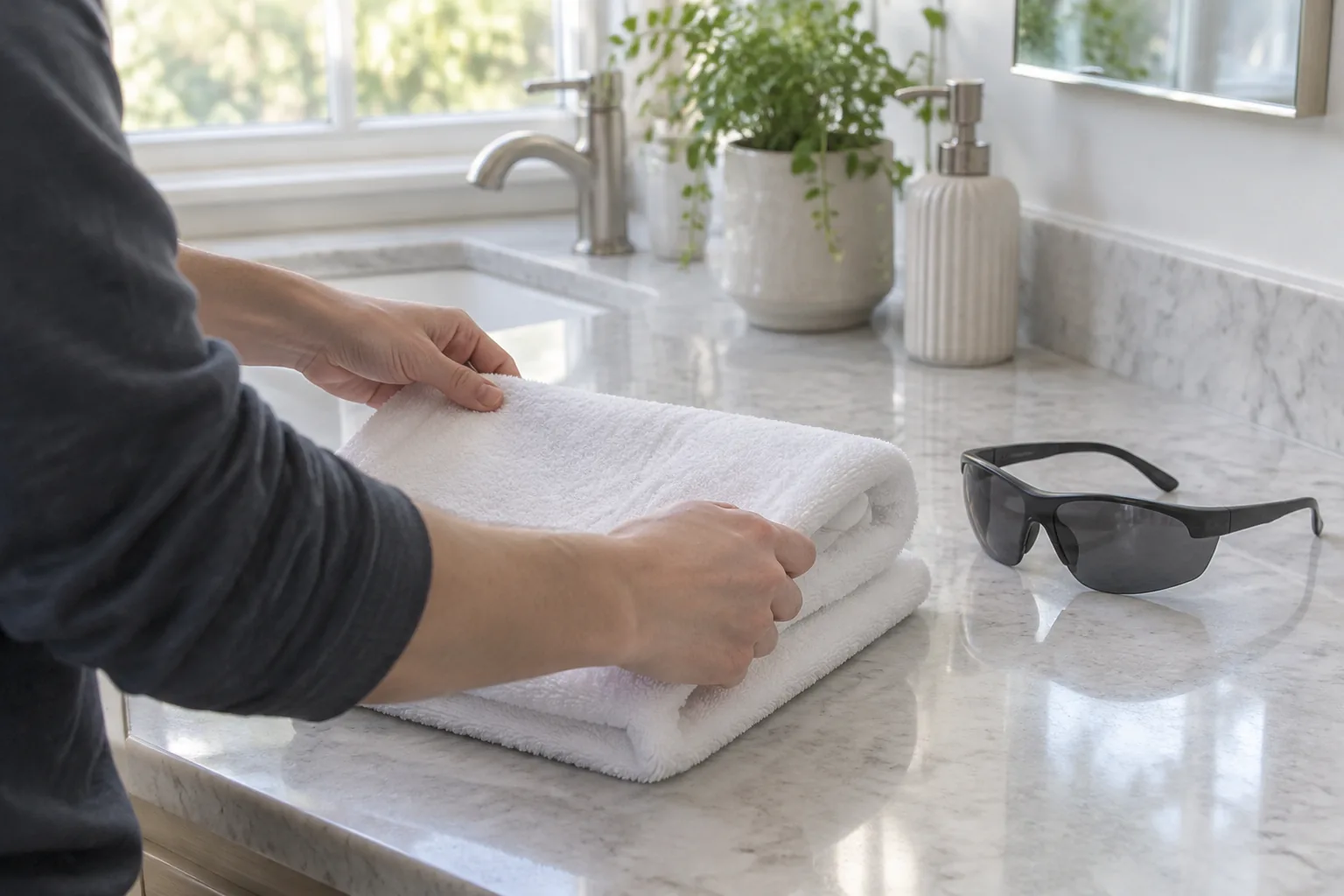
- Put on the eyewear that comes with the device.
- Pick the lowest level, then run a patch test.
Do you have to shave before using IPL?
Shaving is a standard prep step for home devices because the hair should be short at the surface. Waxing and plucking are different: they pull the hair out of the root, so some manuals say to avoid them between sessions. Read your manual for the exact wording.
How to do a patch test
Choose a small, discreet spot of the area you plan to use the device on. Cleanse and dry it, set the lowest level and give one flash. Wait 24 hours, then check the spot before deciding whether to continue. If anything looks unusual, stop and ask a licensed professional.
Do the patch test again when you move to a new body area, because skin and hair differ from one area to the next.
Using a home IPL device step by step
Once the prep is done, the session follows a short routine. The device names below come from our shop, and each product page lists its own details.
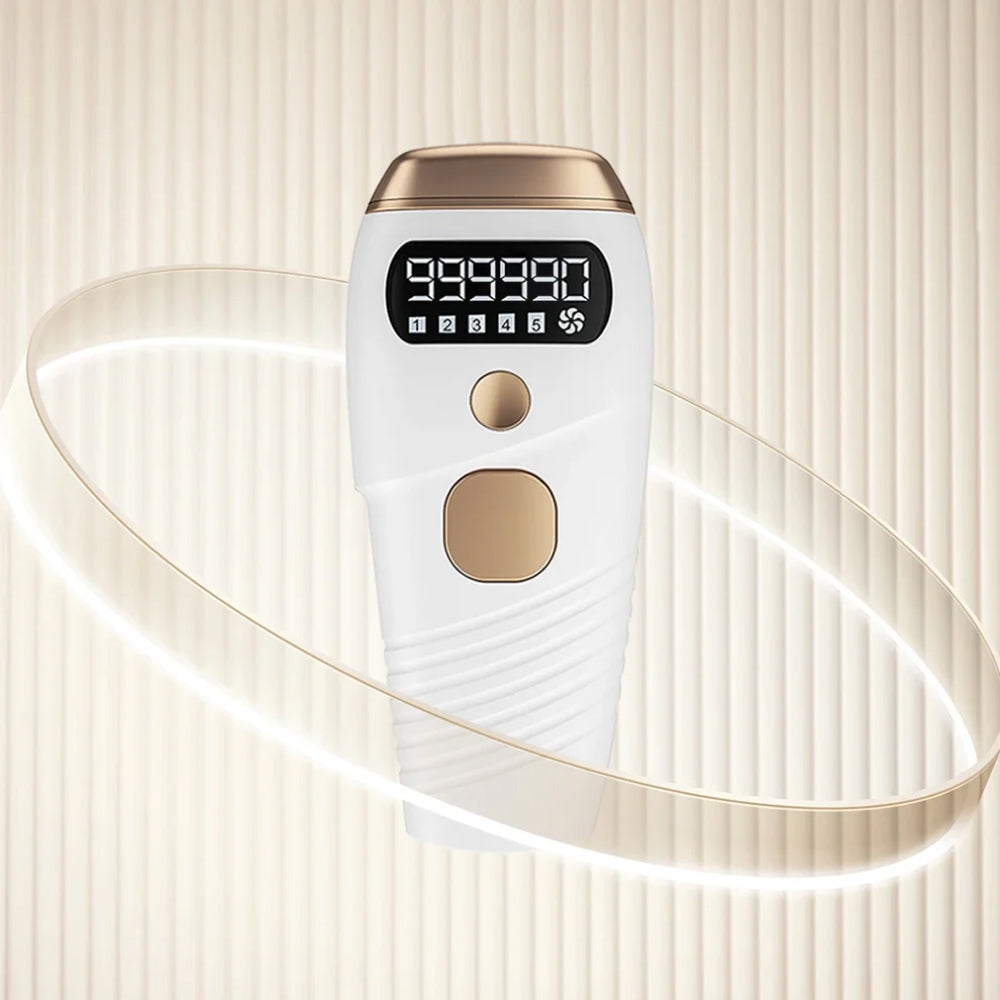
PhotoBare is a handheld IPL device with a glass window, five energy levels and an LCD display. You cleanse and dry the area, choose an energy level, then glide the glass window over your skin while the built-in skin sensor reads skin tone before each flash.
 In this guidePhotoBare$89.99View
The handset is compact, and it is used on several areas, including the face below the cheekbones. The box holds the handset, protective eyewear, a precision skin scraper, a power adapter and a quick-start user guide.
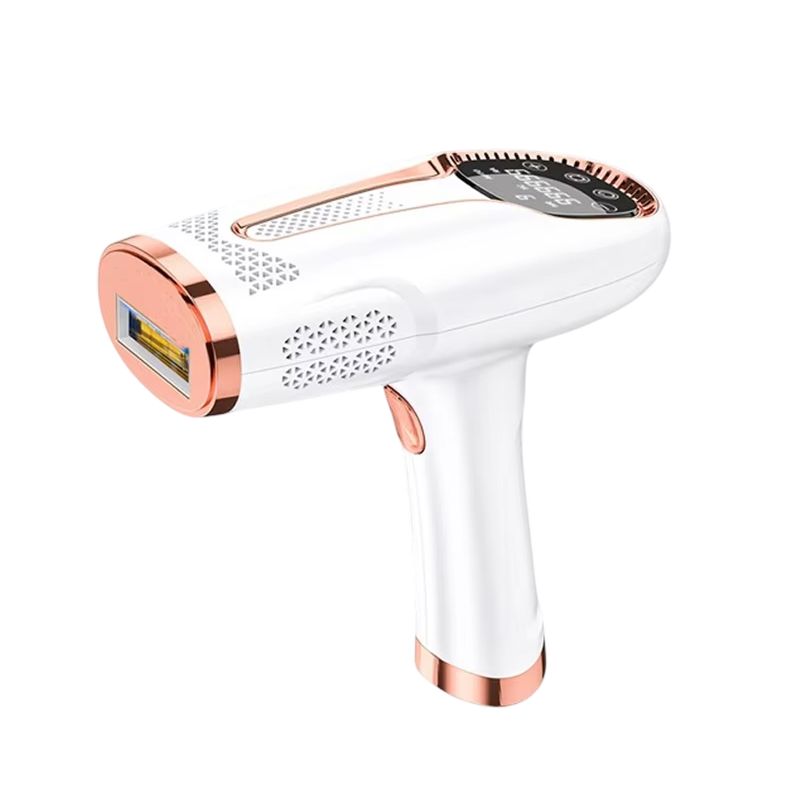
SilkRay is a cordless, handheld flash device with five intensity levels on a touch screen and a cooling feature built in. You clean and dry the skin, pick a level, then glide the device over the area. Built-in sensors check skin contact and energy output while you work. The box includes the device, a power adapter, protective eyewear and a precision razor.
 In this guideSilkRay$149.99View
Field note
Start on the lowest level for each new area, and keep the manual open for the first few sessions.
Common mistakes to avoid
- Skipping the patch test on a new area.
- Flashing over unshaved, long hair.
- Using the device on skin with lotion, oil or sweat still on it.
- Starting a session with a fresh tan or sunburn.
- Overlapping flashes on one spot instead of moving the window along.
- Removing the eyewear mid-session.
- Ignoring the manual when it conflicts with a general guide like this one.
Care and storage between sessions
Keep the glass window clean and dry between uses, and unplug the device before wiping it, as the manual directs. Store the handset and its eyewear together so both are ready for the next session.
Avoid sun exposure on the area as your manual advises, and keep a simple note of which level you used on each area. That record makes the next session easier to set up.
IPL and other questions
IPL is also used by professionals for skin concerns such as sun spots, and clinics call this a photofacial. A home hair removal handset is a different product with its own manual, so do not use it for those purposes. For questions about conditions such as rosacea, or any worry about long-term use, speak with a licensed professional.
Session cost depends on the provider and on whether you use a clinic or a home device. We do not list prices in this guide, so check the product page for current details.
So, how does IPL work in practice? A flash of pulsed light meets pigment in the hair, and your prep and settings shape each pass. Browse our Dryers, Irons & Light-Based Hair Devices collection to compare handsets by their listed features. For another light-and-heat tool explained plainly, read What Is an Ionic Hair Dryer? Ionic vs Ceramic Explained.
Frequently asked questions
Keep reading
 Dryers, Irons & Light-Based Hair DevicesRound Brush and Hair Dryer: A Step-by-Step Blowout Routine6 min read
 Shavers & Precision TrimmersFacial Epilators for Women: What to Check Before You Buy6 min read
 Shavers & Precision TrimmersHow to Shave Pubic Hair: A Trim-First Routine for Men and Women7 min read