
What Is an Ionic Hair Dryer? Ionic vs Ceramic Explained
An ionic hair dryer adds negative ions to its airflow, while ceramic describes the heating element. This guide explains both and matches them to your hair type.
The Calvedon Team
October 21, 2026 · 7 min read
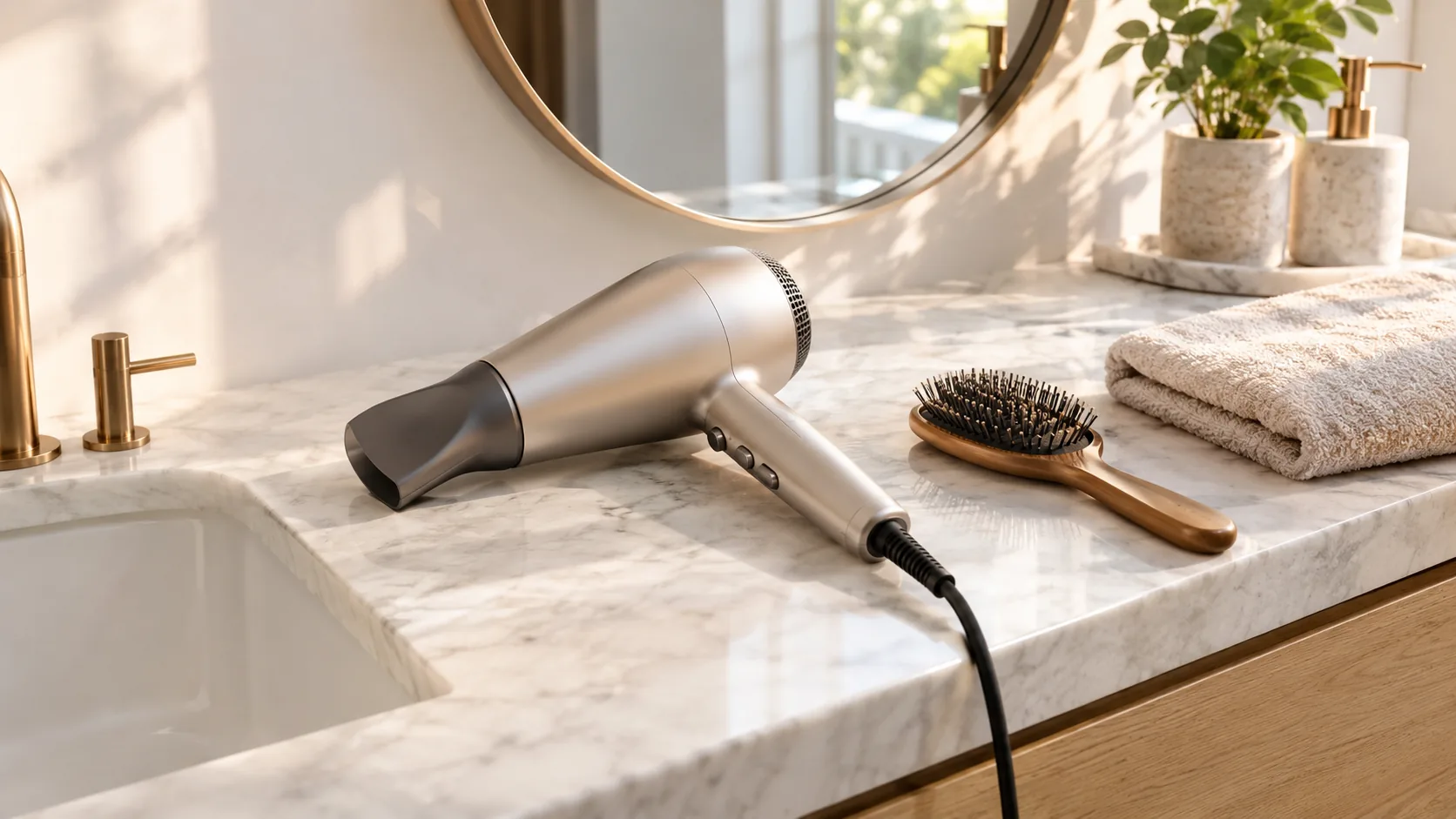
So, what is an ionic hair dryer? It is a dryer that releases negative ions into the stream of warm air as it blows. The idea is that these ions interact with the water on and around your hair and with the static charge on the hair surface. Ceramic describes what the heating element is made of, so the two labels answer different questions and can appear on the same dryer.
This guide explains the ion feature in plain terms, compares ionic and ceramic by hair type, and lists what to check before you buy.
What is an ionic hair dryer and what does it do?
An ion is an atom or molecule that carries an electrical charge. A negative ionic hair dryer has a component that generates negative ions, which travel out with the air. You use it like any other dryer: hold it a short distance from damp hair and move it through each section.
Dry hair, especially when you rub it with a towel or brush it, can build up positive static charge. The cuticle, the outer layer of each strand, can lift when that happens, and lifted cuticles show up as frizz. The thinking behind ionic hair dryer technology is that negative ions can neutralize some of those positive charges and interact with water molecules, so the cuticle lies closer to flat.
How much difference you notice depends on your hair, the dryer's airflow, the heat setting and your technique. Think of the ion feature as one input among several, not as a switch that decides your result.
How the ion feature fits with heat and airflow
The ion generator does not replace the motor or the heater. Drying still comes from moving air and warmth. That is why the motor, the number of heat and speed settings and the attachments matter in daily use as well as the ion label.
Cool shot and heat settings
Many ionic dryers offer several heat levels. Choosing a low heat setting for fine or damaged hair is a habit you control, whatever the dryer technology. A cool-shot button blows unheated air, which you can use to finish a section once it is styled.
Diffuser and concentrator nozzle
A concentrator nozzle narrows the airflow so you can direct it along a section for straight or smooth styles. A diffuser spreads the airflow out, which suits curls and waves because you can lift sections without blasting them apart.
How to dry your hair with an ionic dryer
- Blot your hair with a towel until it stops dripping.
- Divide your hair into sections and clip up the ones you are not drying yet.
- Pick a heat setting and a speed setting, and attach the nozzle or diffuser that matches your style.
- Hold the dryer a short distance from the section and keep it moving along the strand.
- Press the cool shot to finish each section, then release the clip and move on.
- Switch the dryer off, let it cool, then store it. Follow the manual for use.

Ionic vs ceramic hair dryer: what each label means
The comparison can confuse because the terms sit on different layers of the machine. Ceramic refers to the material of the heating element or coating. Ionic refers to the ion generator. A hair dryer ceramic ionic combination is possible, since a dryer can use a ceramic heater and also emit ions.
You may also see tourmaline on a label. Like ceramic, it names a material used in a part or coating, not an airflow spec. Infrared works the same way: it names a heat approach, not an airflow spec. Neither label tells you the wattage, the motor type or the airflow, which shape how long a given head of hair takes to dry.
| Feature | Ionic | Ceramic |
|---|---|---|
| What it describes | Ion generator that adds negative ions to the air | Heating element or coating material |
| Main purpose | Addresses static and frizz-prone cuticles | Provides heat |
| Can be combined? | Yes, with ceramic parts | Yes, with an ion generator |
| Drying time depends on | Airflow, wattage, how wet hair is | Airflow, wattage, how wet hair is |
If you want a look at ceramic against another material in a styling tool, the guide Titanium Plate Flat Iron vs Ceramic covers how plate materials suit different hair types.
Ionic or ceramic by hair type and dry time
Use this table as a starting point when you compare an ionic hair dryer vs ceramic. Because the two labels are not opposites, each row gives a note for both. Dry time is described in relative terms because it depends on your hair's length, density and how much water is left after towel drying.
| Hair type | Ionic note | Ceramic note | Dry time notes |
|---|---|---|---|
| Fine or thin | Ion feature is optional; control matters more | Check for lower heat settings | Fine hair holds less water, so short passes at a moderate setting may be enough |
| Thick or coarse | Ion feature may suit frizz at the surface | Look for several heat levels | Density holds more water, so work in sections |
| Curly or wavy | Useful if static is an issue | Pair with a diffuser and low to medium heat | Diffusing takes patience; lift and hold rather than rub |
| Frizz-prone | The ion feature is aimed at this | Heat source only; use the cool shot to finish | Keep the dryer moving along the strand |
| Colored or damaged | Does not change the need for lower heat | Choose the lowest heat setting that works | Let hair air dry partway before using heat |
A non-ionic dryer is still an option if static is not a concern for you. The ion feature is optional for drying.
Two ionic dryers we stock
Both dryers below include a negative ion function. They suit different routines, so choose based on how you style.
For travel and everyday drying
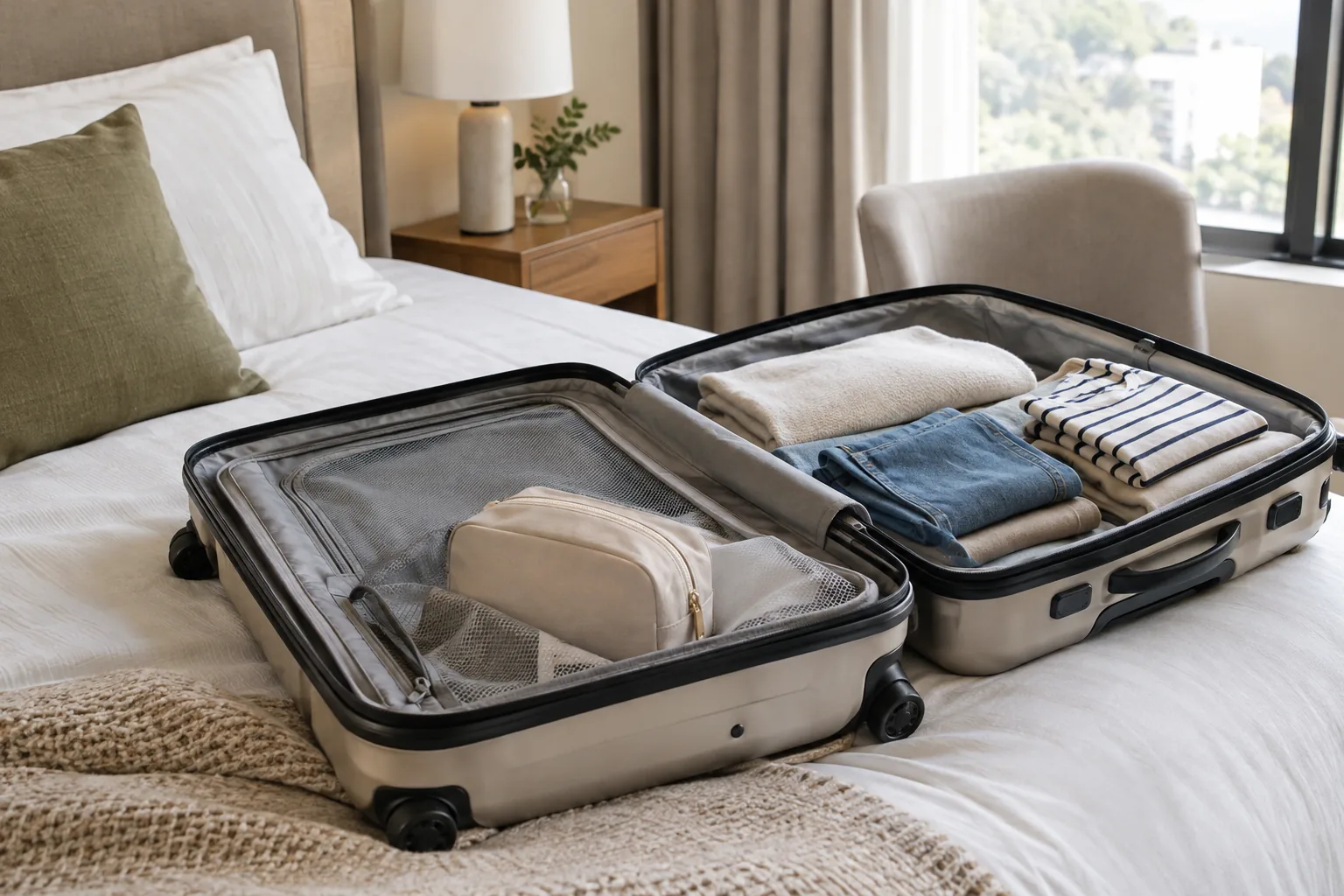
Ionavia is an ionic hair dryer with negative ion technology and an 18,000 RPM brushless motor. A brushless design has no carbon brushes inside the motor housing. It has multiple heat and speed settings and a precision concentrator nozzle. The body is compact, folds down to fit in a bag or suitcase, and uses a dual-voltage design made for different outlet standards.
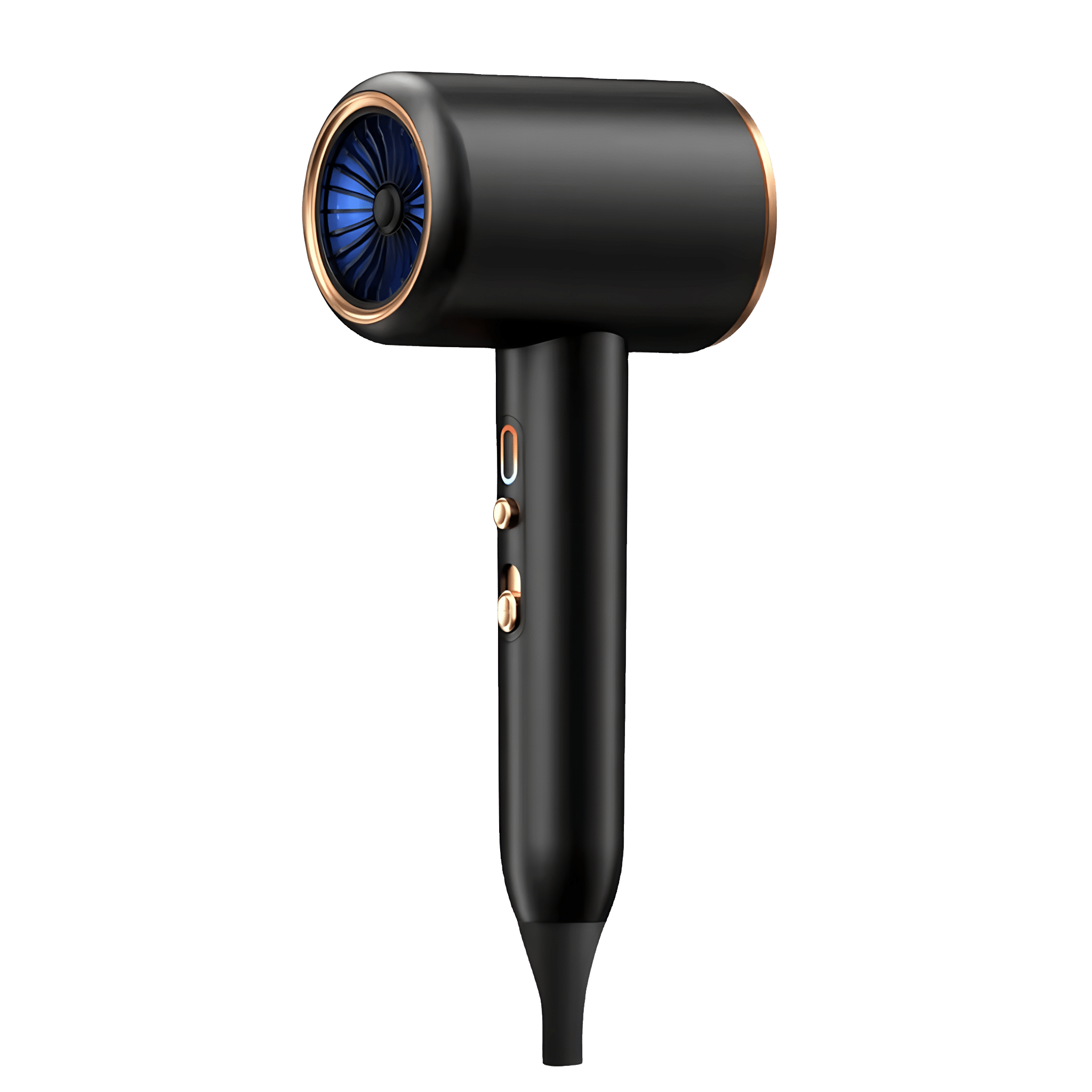 In this guideIonavia$118.99View
For drying and styling with one handle
Luxeva is a 7-in-1 ionic styler and dryer with a brushless motor and seven interchangeable attachments. They include a straightening brush, volumizing brush, diffuser, curling barrel and concentrator nozzle. The self-wrapping curl barrel draws hair around itself as you hold it near your ends, and a cool-shot button lets you finish a style.
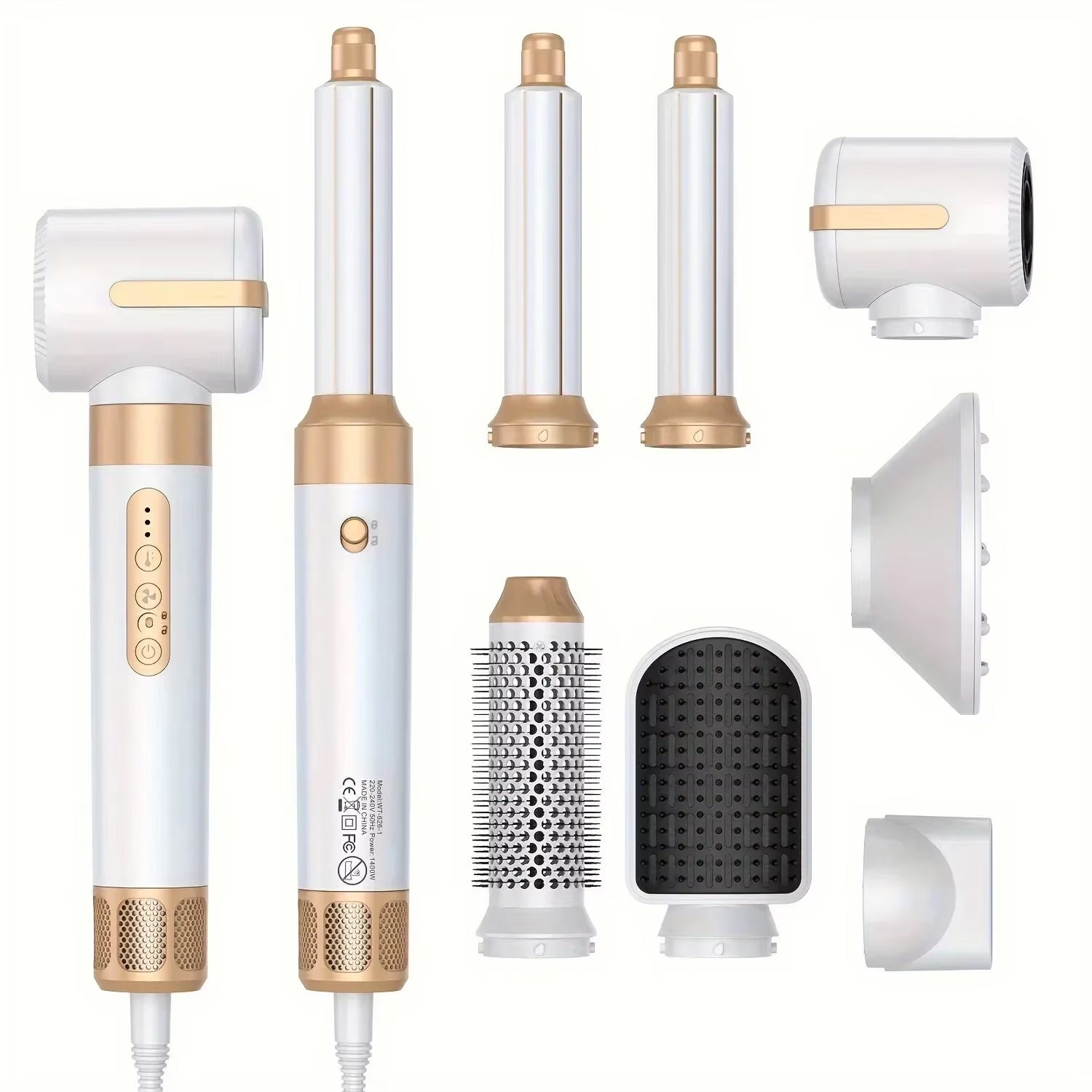 In this guideLuxeva$149.99View
You can browse more options in the Dryers, Irons & Light-Based Hair Devices collection.
How to buy a hair dryer: a decision checklist
- Decide what you do most: plain drying, smoothing, curls or a mix. That tells you which attachments matter.
- Check the heat and speed settings. Several levels let you lower the heat for fine or damaged hair.
- Look for a cool-shot button if you finish styles with a blast of unheated air.
- Confirm the attachments in the box. A concentrator nozzle suits straight styles, a diffuser suits curls.
- If you travel, check the weight, whether the body folds, and whether the voltage design matches the outlets you will use.
- Read the cord and plug details on the product page and in the manual before first use.
Ionic or ceramic should be one line on the checklist, not the whole decision. Motor type, settings and attachments shape your daily use directly.
Field note
Towel-blot your hair first so the dryer only has to handle damp hair, not dripping hair. Keep the dryer moving and hold it a short distance from your strands instead of pressing close to one spot.
Common mistakes with ionic dryers
- Using the ion feature as a reason to choose maximum heat. Heat settings still matter.
- Holding the dryer in one spot. Keep it moving through each section.
- Skipping the cool shot. Finishing a section with unheated air helps you set the shape you styled.
- Using a concentrator nozzle on curls when a diffuser fits the style.
- Ignoring the manual. Follow it for use, and unplug the dryer before you clean it.
Care and lifespan
How long a dryer lasts depends on how often you use it, how you store it and how you handle the cord. Wipe the outside with a dry cloth once it has cooled and is unplugged. Clear any lint from the air intake according to the manual. Let the dryer cool before folding or storing it, and avoid wrapping the cord tightly around the body.
If the dryer smells burnt, trips an outlet or the cord is damaged, stop using it and ask a qualified electrician or the maker for guidance.
Frequently asked questions
Keep reading
 Dryers, Irons & Light-Based Hair DevicesTitanium Plate Flat Iron vs Ceramic: Which Suits Your Hair Type8 min read
 Shavers & Precision TrimmersShaving Head With Electric Shaver: A Step-by-Step Routine8 min read
 Dryers, Irons & Light-Based Hair DevicesHow to Use a Beard Straightener Without Frying Your Beard7 min read