
Choosing a Good Electric Shaver for Women: Foil, Rotary or Trimmer
A good electric shaver for women depends on body area, head type and wet or dry use. Compare foil, rotary and trimmer heads, then follow five steps to choose.
The Calvedon Team
October 15, 2026 · 7 min read
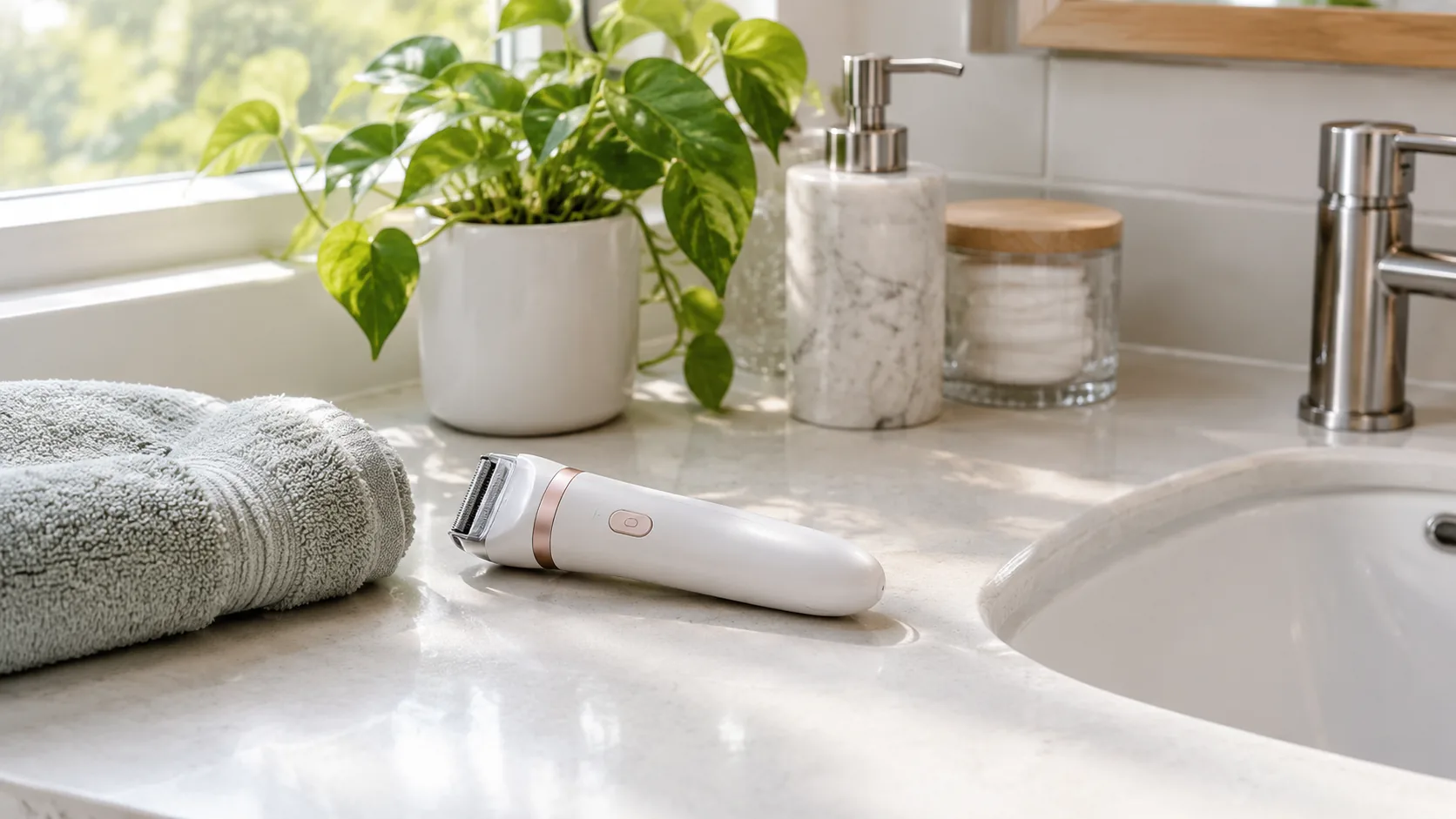
A good electric shaver for women is one that matches the body area, the head type and the way you plan to use it. Foil heads suit flat, broad areas such as legs and underarms, rotary heads follow curves, and small trimmers handle the bikini line and fine facial hair. Pick by area first, then decide on wet or dry use, then check charging and cleaning.
This guide walks through those decisions in order, compares the three head types in one table, and lists the habits and care steps that apply to any shaver.
How to choose a good electric shaver for women in five steps
- List the areas you will shave. Legs only, legs and underarms, bikini line, face, or all of them. A leg-sized shaver rarely suits small areas such as the bikini line and face.
- Match the head type to those areas. Use the table below. Broad areas call for a wider head, small or curved areas for a narrow one.
- Decide where you shave. If you shave in the shower, you need a model made for wet use. If you shave at a vanity, dry-only is fine.
- Check power and travel needs. A cordless, rechargeable shaver with a common USB charging cable is easy to pack. A corded one suits a fixed bathroom spot.
- Look at upkeep. Detachable heads, a cleaning brush and replaceable blades are worth checking for routine care.
If two steps point to different devices, that is normal. Area usually decides, and the rest are tie-breakers.
Foil, rotary and trimmer: how the head types compare
The head type decides how the shaver moves over skin and which areas it reaches comfortably. This comparison uses general design traits, not brand claims.
| Type | How it works | Suits | Watch for |
|---|---|---|---|
| Foil | Thin perforated screen with blades moving behind it; you use straight, sweeping strokes | Legs, underarms, larger flat areas | Flat head can be awkward on knees, ankles and tight curves |
| Rotary | Circular floating heads that turn; you use small circular motions | Curved areas and uneven surfaces | Needs several passes over big areas; the head can be bulky on small spots |
| Trimmer / precision head | Small blade head guided by hand over a small area | Bikini line, brows, lip, hairline, edging | Covers little skin per stroke, so it is impractical for full legs |
You may find it easier to use two tools: a larger foil or rotary shaver for legs and a small trimmer for detail areas.
Match the shaver to the body area
Legs
When you shop for a leg shaver, choose a wider head so each stroke covers more skin. Foil heads suit the long, flat shin and thigh, while rotary heads follow the curves around the knee and ankle. Shave clean, dry skin with slow strokes, or wet skin only if the model is made for it.
Underarms
The area is curved and the skin is thin, so a small or flexible head works well. Stretch the skin taut with your free hand, and use light pressure rather than pressing down.
Bikini line and pubic area
For the bikini line, a compact trimmer-style head gives you control along edges and curves. If you are choosing a shaver for the pubic area, look for a rounded head, a head that rinses clean, and a design intended for this area. Trim in short, deliberate passes, and keep the skin taut so the blades do not catch folds.
Face
Fine facial hair around the cheeks, lip, brows and hairline calls for a small, light tool with good visibility. A facial shaver is usually a compact head with a precision edge, and a built-in light helps because fine hair is hard to see in ordinary bathroom lighting. If one device covers both face and body, use the head attachment meant for the face and clean it after each use.

Trim or shave: which approach fits
Trimming shortens hair and leaves some length above the skin. Shaving cuts hair at the skin surface. Trimming suits you if you want to tidy the bikini line or keep some length, and shaving suits you if you want a bare finish on legs and underarms.
It can help to trim first when hair is long, then shave, so the shaver head does not drag through long hair. If you are unsure which suits an intimate area, start with a trimmer-style head and adjust from there.
Cordless, rechargeable and wet or dry: the practical features
A cordless electric shaver for women moves freely around knees and ankles and packs easily for trips. A rechargeable shaver that charges over a USB cable can plug into a power source you already carry, so there is no special dock to bring along.
Wet or dry use
Dry shaving is straightforward: clean, dry skin, no products, and the device does the work. A wet/dry model also lets you shave in the shower, which suits people who prefer to fit hair removal into the same routine as washing.
- Choose wet-capable if you shave in the shower or want to rinse the head under running water afterward.
- Choose dry-only if you shave at a vanity and wipe the head clean with a brush or cloth.
- Check the manual for what the maker means by wet use. Some models allow rinsing only the head, not the whole body of the device.
Always follow the manufacturer's instructions on charging. Do not charge a device while it is wet, and keep the charging port dry.
Two compact options from our range
If you want a good electric shaver for women that covers the bikini line and face, two small devices fit that list. Both come from our Shavers & Precision Trimmers collection, where you can browse other precision tools.
For bikini line and face in one device
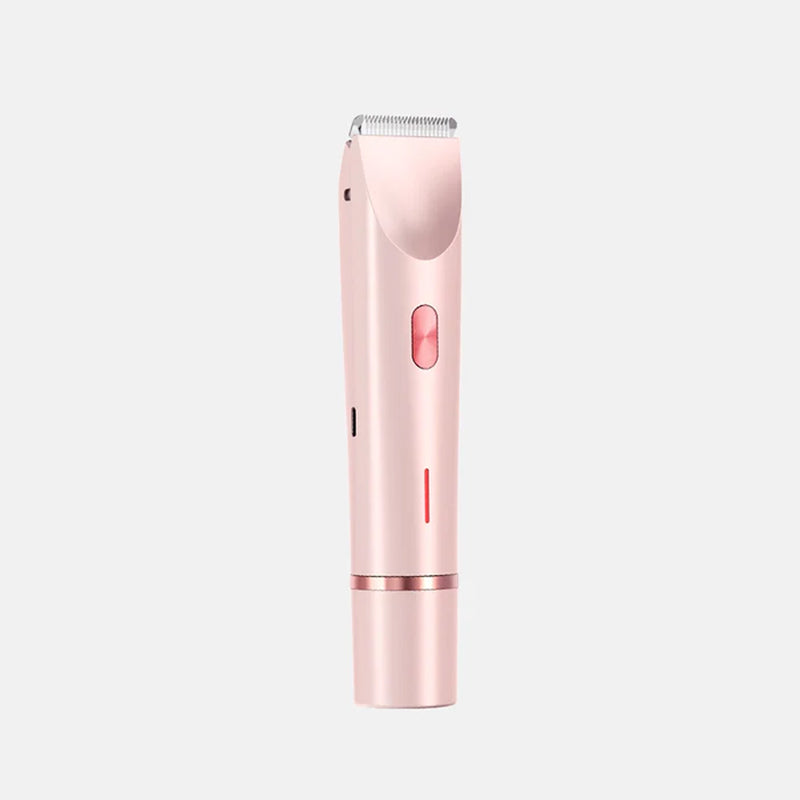
SilkContour is a lady shaver and bikini trimmer with ceramic blades instead of metal ones. It includes dual head attachments, one for the bikini line and one for the face, and you choose the attachment before you start. You can use it wet or dry, and the head is detachable so you can rinse it under water afterward. It charges through the included USB cable and comes with a cleaning brush.
 In this guideSilkContour$59.99View
A lady shaver for face and fine hair
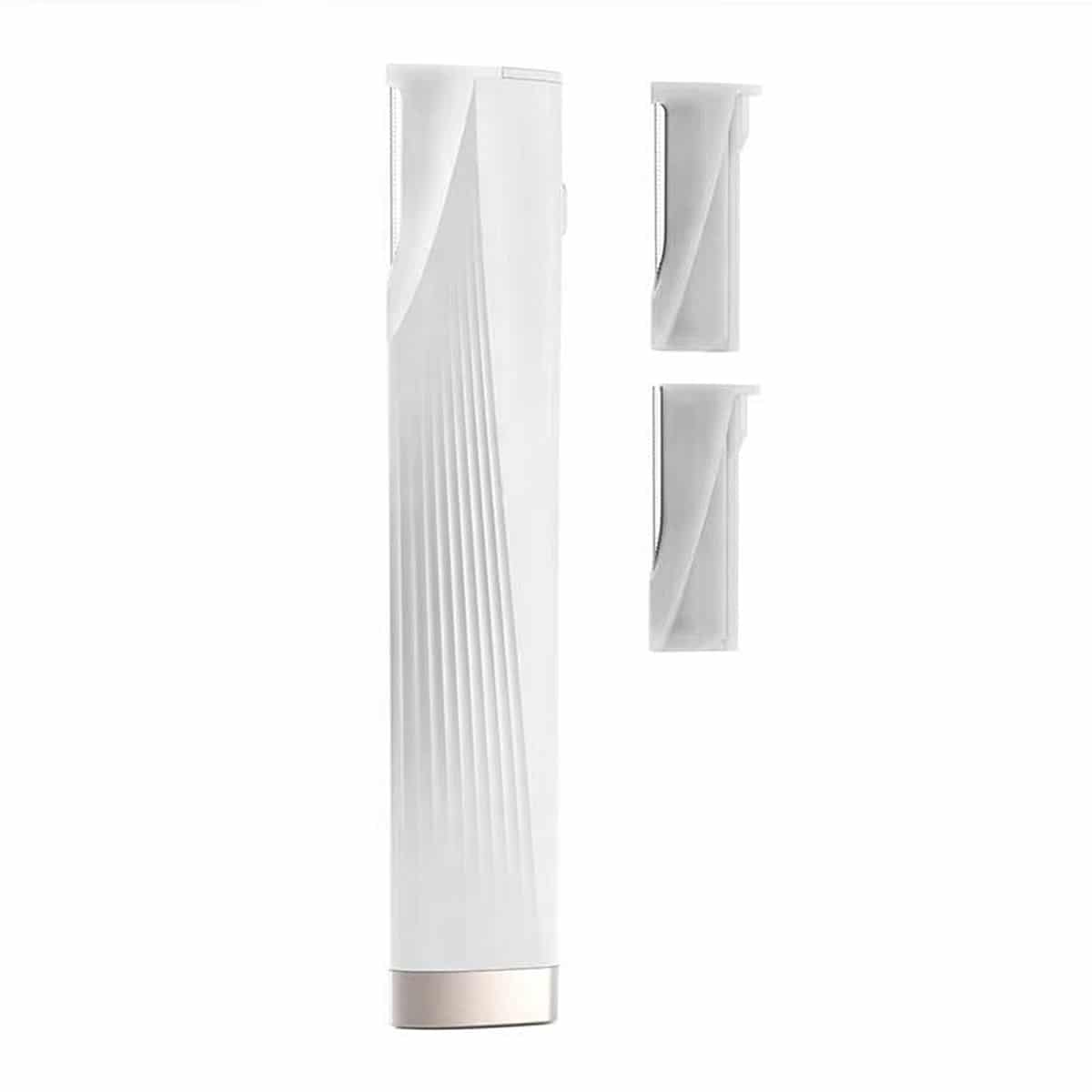
VelvetRaze is a rechargeable facial shaver for fine facial hair. It has three sonic vibration levels, so you can pick a higher level for coarser hair or a lower one for delicate areas such as the cheeks. A built-in LED light shows the area you are working on. The wide blade covers cheeks and forehead, and the precision blade handles brows, lips and hairline. It charges over USB-C, and the box includes four replaceable blades and a protective travel bag.
 In this guideVelvetRaze$109.00View
Field note
Before the first full session, try the shaver on a small patch of skin and look at the area afterward. If it looks irritated, stop and ask a healthcare provider about options that suit your skin.
Sensitive skin: habits that matter more than the model
No head type suits everyone, so the way you use a shaver counts as much as the shaver itself. These sensitive skin habits apply to foil, rotary and trimmer heads alike.
- Use light pressure. Let the blades move over the skin instead of pushing into it.
- Keep the skin taut, especially on the bikini line and underarms.
- Work in short strokes and avoid going over the same spot many times.
- Use a clean head. Residue and worn blades can drag.
- Skip areas with cuts, rashes or broken skin.
- Choose the lowest setting first when a device offers several levels.
If you have a skin condition or concerns about a particular area, check with a healthcare provider before choosing a hair removal method.
Common mistakes when buying and using a shaver
- Buying one leg-sized device for every area, including the bikini line and face. A wide leg shaver is awkward on small curves, and a small trimmer covers little skin per stroke on legs.
- Ignoring blade replacement. Dull or damaged blades pull. Look for replaceable parts or a clear care guide.
- Skipping the manual. Wet-use, charging and cleaning limits are model-specific.
- Pressing harder. More pressure does not change what the blades do, and it can leave skin uncomfortable.
- Sharing the device. Keep personal shavers personal and clean them after each use.
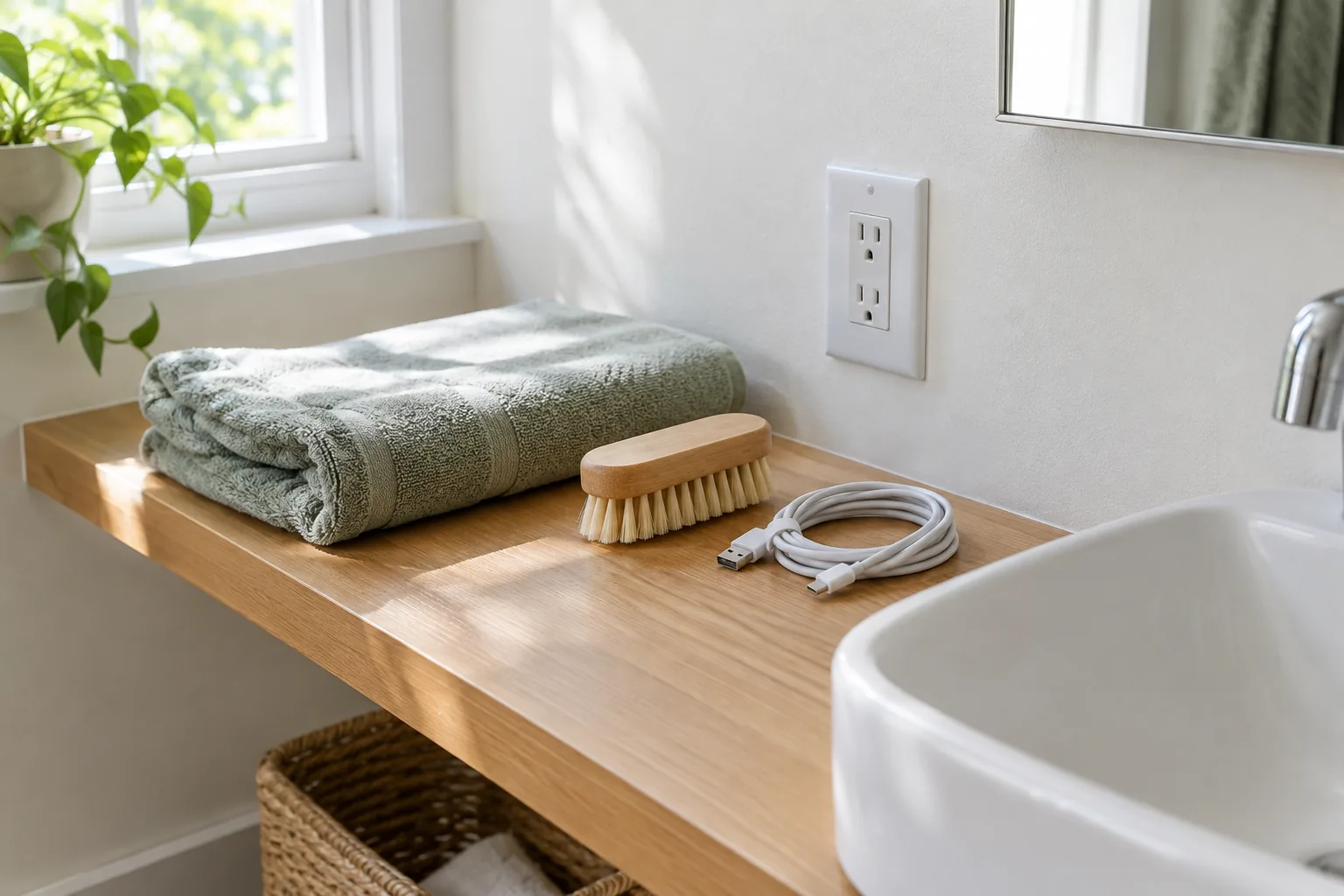
Setup matters too. A dry shelf near an outlet makes it easier to keep the charger away from the shower, whichever shaver you end up choosing.
Care checklist after each use
A short care routine keeps any shaver clean and ready. Follow the steps below, and defer to your manual where it differs.
| Step | What to do |
|---|---|
| 1 | Switch the device off and, if corded, unplug it |
| 2 | Remove clippings with the cleaning brush or a soft cloth |
| 3 | Rinse the head under water only if the manual allows it |
| 4 | Let all parts air dry completely |
| 5 | Snap on the protective cap and store in a dry place |
| 6 | Swap blades when they feel rough or tug on hair |
Recharge when the battery runs low rather than leaving the device in a damp bathroom with the cable attached.
Frequently asked questions
Keep reading
 Dryers, Irons & Light-Based Hair DevicesHow to Use a Beard Straightener Without Frying Your Beard7 min read
 Fitness & Vital Sign TrackersHow Do Body Composition Scales Work? Bioimpedance Explained8 min read
 Cooling & Heated BeddingHow to Use a Cervical Pillow: Orientation, Height and Sleep Position8 min read