
Heated Socks vs Heated Insoles: Warmth, Battery and Fit Compared
Choose heated insoles for snug boots like ski boots, and heated socks for roomy boots. This guide compares heat zone, battery, fit and washing, with a checklist.
The Calvedon Team
November 7, 2026 · 6 min read
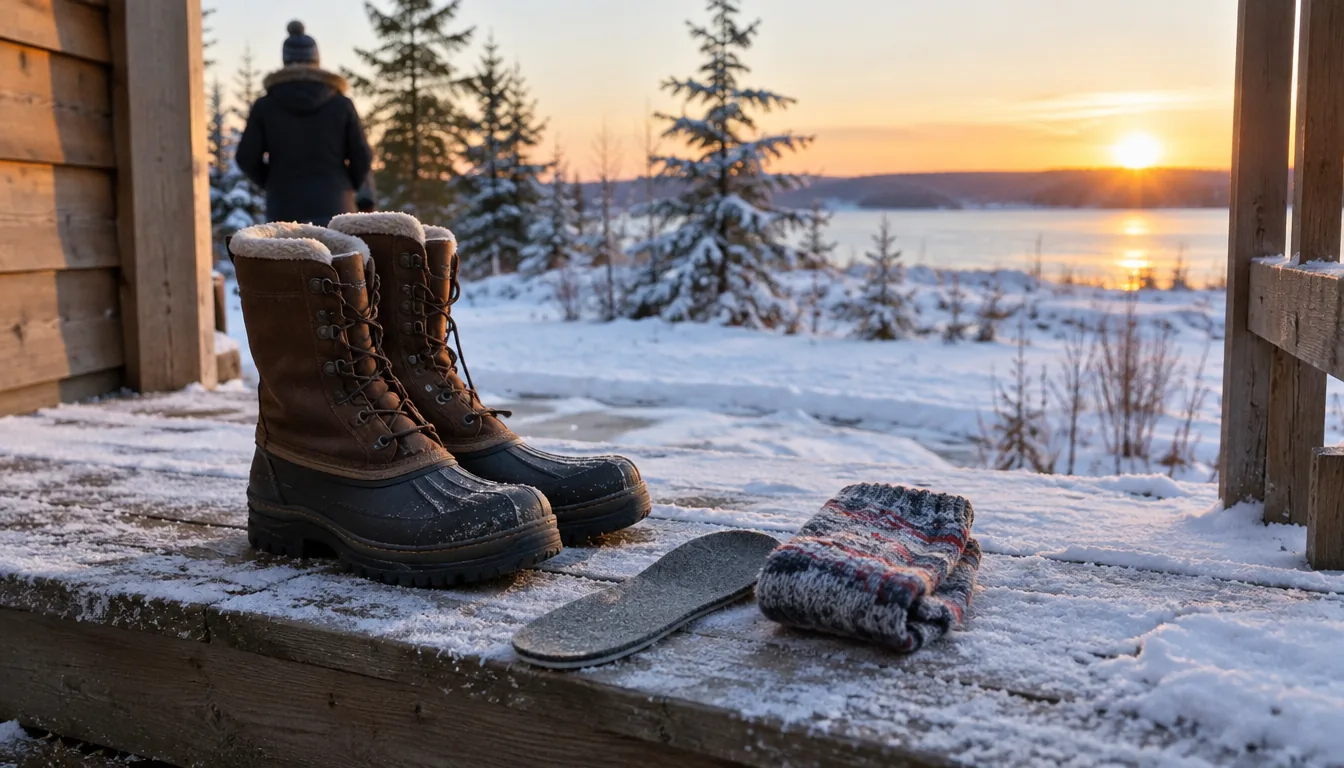
In the matchup of heated socks vs heated insoles, choose heated insoles when you want heat under the foot inside a boot you already own, and heated socks when you want heat that wraps the toes and more of the foot. Insoles replace the footbed, so they add almost no bulk. Socks go on like any sock, so they work in any footwear with enough room.
This guide compares heat zone, battery, boot fit, washing and use case for skiing, work and walking. It ends with a pick-by-situation checklist and a setup routine.
Heated socks vs heated insoles at a glance
The table summarizes the differences that matter before you buy. Exact numbers vary by model, so check the product page for battery capacity and heat levels.
| Factor | Heated socks | Heated insoles |
|---|---|---|
| Heat zone | Elements sit in or around the toe area, and some designs extend over the foot | Heat sits under the foot, on the footbed |
| Battery | Small packs, often worn on the cuff or calf | Battery built into each insole or a separate pack, depending on the model |
| Boot fit | Adds sock thickness, so a snug boot gets tighter | Replaces the footbed, so the boot keeps its volume |
| Washing | Washable only if the maker says so; follow the care label | Wipe clean; do not submerge unless the manual says so |
| Suits | Roomy winter boots, cold-weather walks, work boots with space | Ski boots, hunting boots, pac boots, snug footwear |
How each type works
Heated socks
Heated socks carry thin heating elements in the fabric, powered by a small rechargeable battery. Because the sock is a layer around your foot, the warmth can reach the toes and, on some designs, the top of the foot. The battery pack often sits at the cuff, so check that it does not press against your shin inside a tight boot.
You still need the sock to fit well. A bunched or folded heated sock leaves gaps in the heat zone and can create pressure points, so smooth it out before you pull the boot on.
Heated insoles
Heated insoles replace the footbed and warm the sole of the foot from below. Since cold in a boot often arrives through the floor of the boot, putting a heat source there makes sense for standing and slow walking. Insoles hold the heating element and, on some models, the battery inside the footbed itself.
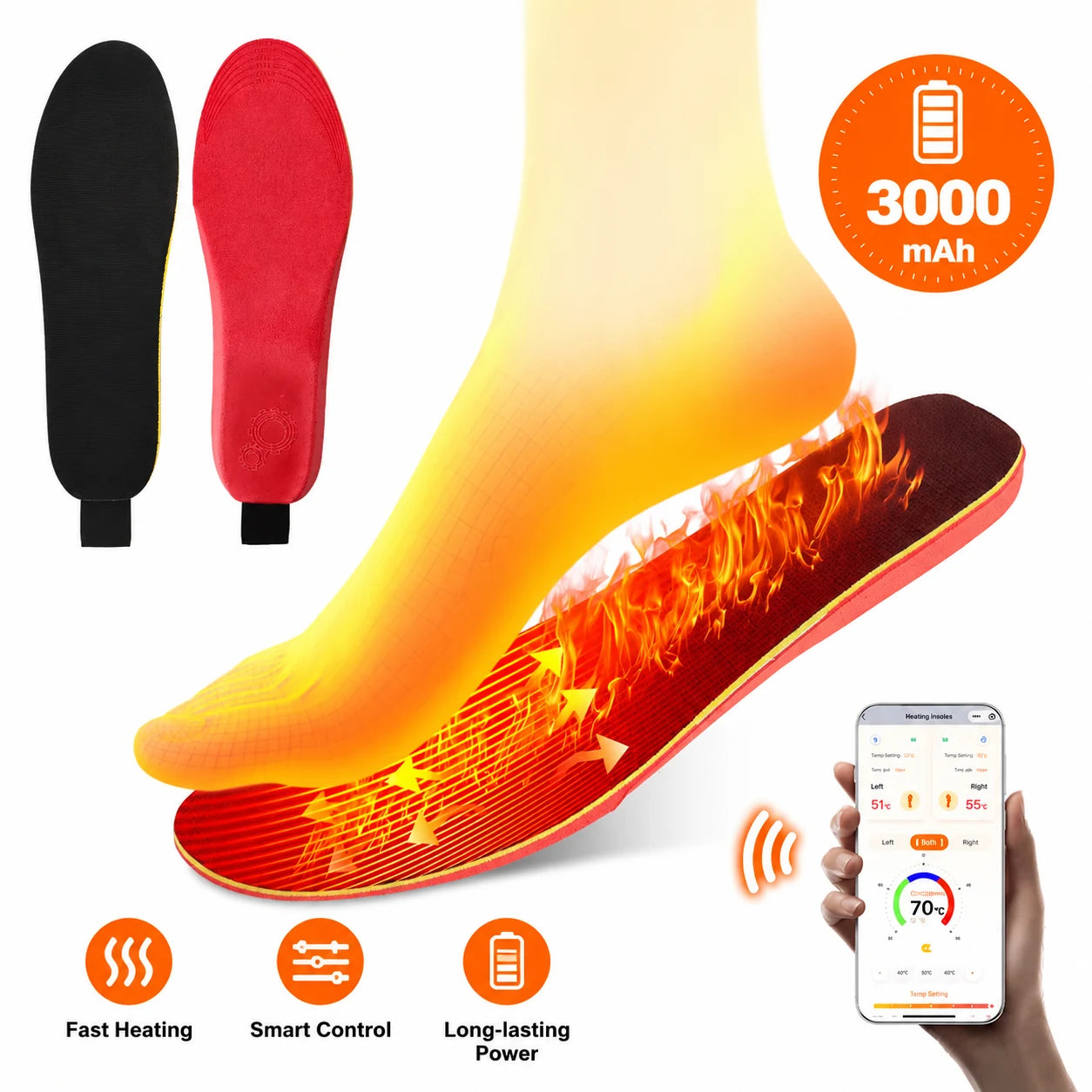
The ToastStride is one example. Each insole has a sealed 3000mAh battery housing and a 0.19-inch curved profile made to replace the existing footbed in pac boots, ski boots and similar footwear. A side button steps through three heat levels, and a smartphone app sets the left and right insoles separately.
 In this guideToastStride$99.99View
Boot fit, battery and washing
Boot fit
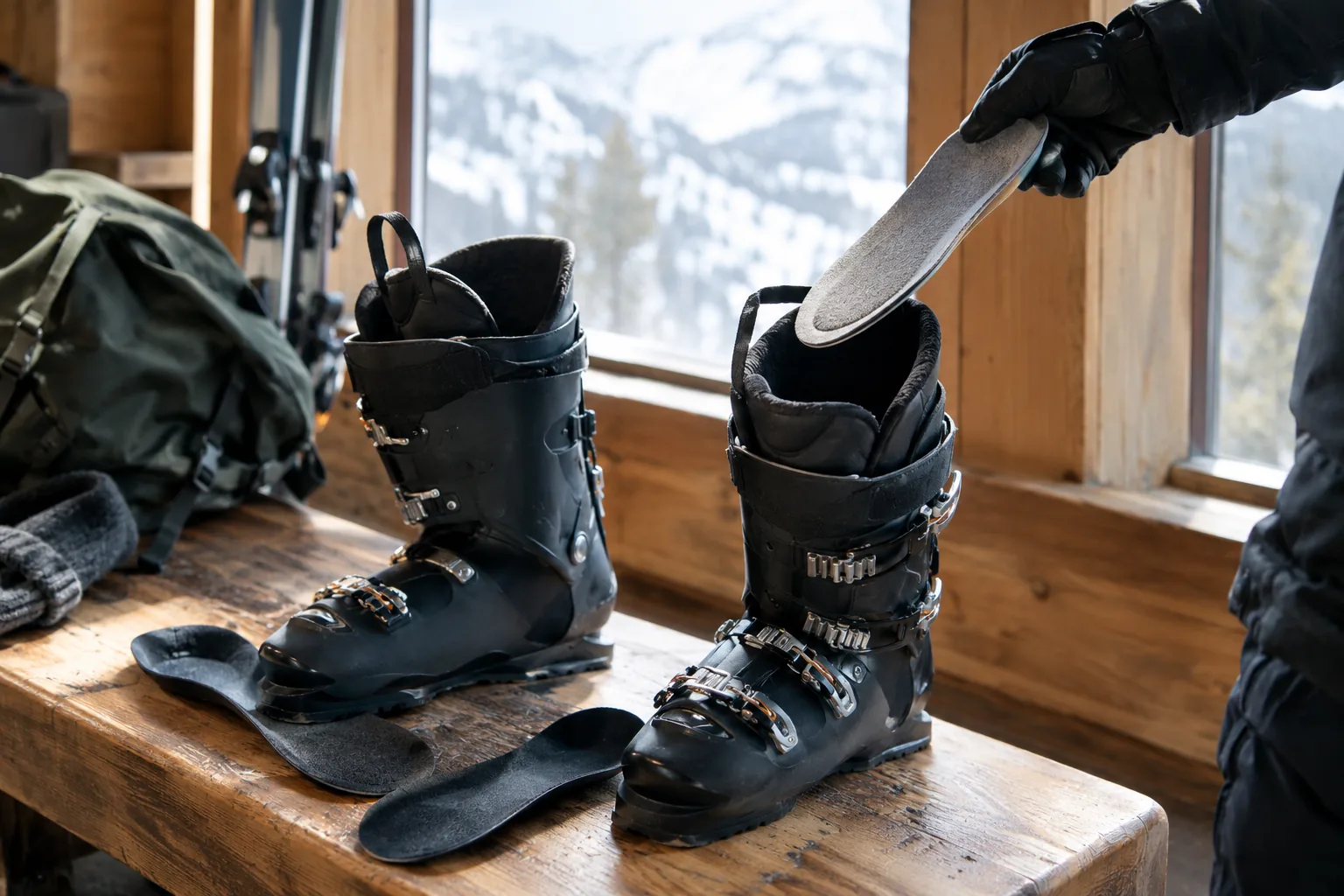
A boot that fits with a thin sock has no room for a thick heated sock. Squeezing the foot reduces the air space around it, and a tight boot traps less warm air. Insoles avoid this because they take the place of the footbed rather than adding a layer. Trim-to-fit models, such as ToastStride with cutting lines covering women's 4 to men's 12.5, let one pair match different boot sizes. Use the included size chart before you cut.
Battery
Battery run time depends on the heat level, the cold and the battery capacity, so check the manual for the model you buy. Lower heat levels draw less power than higher ones. For a long day, charge both batteries fully the night before and carry the charging cable.
If you wonder how long heated socks last on a charge, the answer sits in the product specs and varies with the setting you choose. Do not rely on a single number from another wearer. Try your pair around the house before a full day outside.
Washing
Socks get sweaty, so washing matters. Some heated socks are machine washable once the battery is removed, others need hand washing. Follow the care label. Insoles are not washed in a machine: wipe them with a damp cloth, let them air dry and keep the connection areas dry.
Field note
Before every trip, put the insoles or socks on at home and run each heat level for a few minutes while seated. If one side heats unevenly, discontinue use and contact the seller before you rely on it outdoors.
Pick by use case: ski, work and walking
Skiing and snowboarding
Ski boots are snug and stiff, with little spare volume. Heated insoles fit this setup, since they replace the footbed and leave the sock layer unchanged. Wear a thin, moisture-wicking sock over them, not a thick cotton one.
Work and standing jobs
On concrete floors in a cold warehouse or on a job site, cold comes up through the sole. Insoles warm that contact point. If your work boots are roomy, a heated sock adds warmth around the toes as well. Check your workplace rules if boots must meet a specific standard.
Walking and hiking
For winter walks, either type works if the boot has room. Moving keeps the foot active, so a lower heat level is often enough. Carry a spare layer and do not depend on the battery as your only warmth.
Indoors
For a desk, couch or bedside, a plug-in electric foot warmer is a different category. See Foot Warmer in Bed: Electric Warmers vs Heated Pads Compared for how those compare.

Pick-by-situation checklist
Use these steps in order. Stop at the first one that applies to you.
- If your boots are snug or stiff, such as ski or hunting boots, choose heated insoles.
- If your boots have spare room and your toes get coldest, choose heated socks.
- If you want one pair for several pairs of boots, choose trim-to-fit insoles and move them between boots.
- If you want something that goes in athletic shoes or low-cut footwear, check that the insole thickness fits the shoe.
- If you will wash the item often, check the care label before you buy.
- If you want hands-off control, look for a side button or app control with set heat levels.
Whether you pick heated socks or insoles, the same rule holds: a heated item adds warmth to a boot that already fits, but it does not fix a boot that is too tight.
Why socks alone may not keep your feet warm
If ordinary socks leave your feet cold, look at the boot setup first. Damp socks lose their insulation, so change them when they get wet. Cotton holds moisture, while wool and synthetic blends wick it away.
Tight boots and tight sock cuffs restrict the space that traps warm air. A cold boot sole also pulls heat from the foot, which is why a heated insole or an insulating footbed addresses that spot. Do heated insoles actually work? They add a heat source to that contact point, but results depend on the boot, the sock and the heat level you set.
Setup and care checklist
- Read the manual before first use, and follow its charging and washing steps.
- Trim insoles only along the marked cutting lines, after checking the size chart.
- Remove the old footbed and seat the new insole flat, with no folds.
- Charge with the cable that comes with the product.
- Keep batteries and connectors dry, and let boots air out between uses.
- Discontinue use and unplug if an item gets too hot or looks damaged.
If you have reduced feeling in your feet, ask a licensed health provider before using heated footwear, since you may not notice heat building up. For more options, browse the Heated Insoles & Warmers collection.
Mistakes to avoid
- Buying heated socks for a boot that is already snug.
- Cutting the insole before reading the size chart.
- Starting a long day on a half-charged battery.
- Wearing a thick cotton sock over a heated insole.
- Starting on the highest heat level before you know how the pair behaves.
Whether you weigh heated socks or insoles, or heated insoles or socks, the choice comes down to boot volume, the zone that gets cold and how you plan to clean the item.
Frequently asked questions
Keep reading
 Hand, Leg & Head MassagersHow to Use a Scalp Massager: Wet or Dry, Timing and Cleaning6 min read
 Massagers for Neck, Back & FeetHow to Massage Back Muscles: Hand Strokes and Massager Steps6 min read
 Massagers for Neck, Back & FeetHow Do Acupressure Mats Work? Spikes, Session Length and Setup6 min read