How to Wash Pillows: Foam, Wedge, Fiber and Heated Types
Fiber pillows can often go in the washer; foam, wedge and heated pillows need spot cleaning. Use this table to match the method and drying to each type.
The Calvedon Team
October 25, 2026 · 8 min read

How to wash pillows depends on the fill: fiber pillows can go in the washing machine, memory foam and wedge foam are spot cleaned with only their covers washed, and heated pillows are wiped on the surface with the power unplugged. Check the care label first, wash on a gentle cycle with a mild detergent, and dry every pillow until no damp spots remain.
The table below sorts the fill types by what can go in the machine, what needs spot cleaning only, and how to dry each one. The sections after it walk through each method, including front-loader settings, hand washing and clumping.
How to Wash Pillows by Fill Type
So, can you wash pillows in a machine? Some, yes. The fill decides, so read the label before you load anything.
| Pillow type | Machine wash? | Spot clean only? | How to dry |
|---|---|---|---|
| Fiber (polyester fill) | Yes, if the label allows it | Optional between washes | Low-heat dryer with dryer balls, or air dry flat until fully dry |
| Down and feather | Often, if the label allows it | Optional between washes | Low-heat dryer with dryer balls, then check the center for damp clumps |
| Solid memory foam | No, the foam core stays out of the washer | Yes, core; wash the cover if it is removable | Air dry the core away from direct heat; cover per its label |
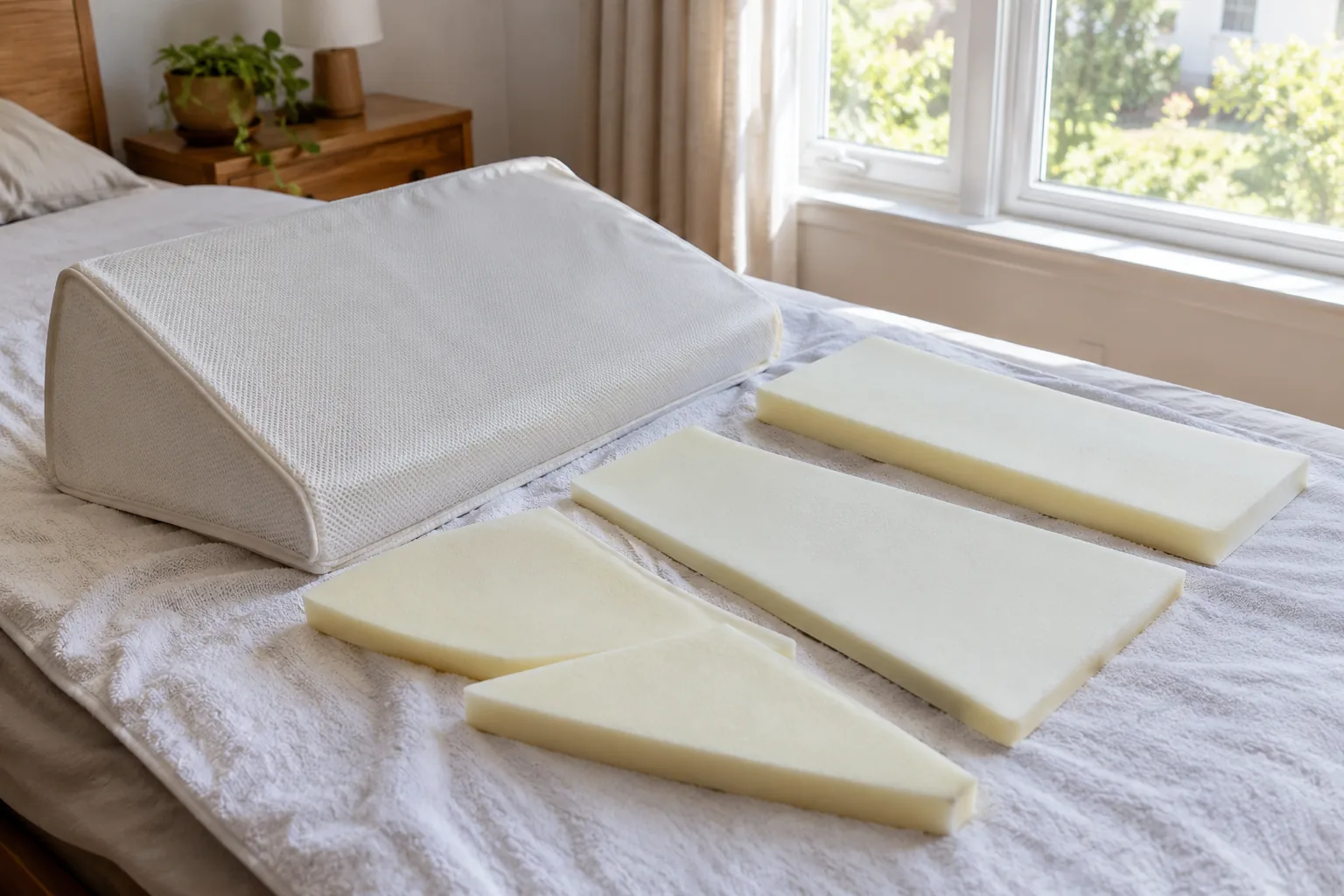
| Wedge foam and inserts | No, foam only; cover is washable if removable | Yes, base and inserts | Air dry foam flat; cover per its label |
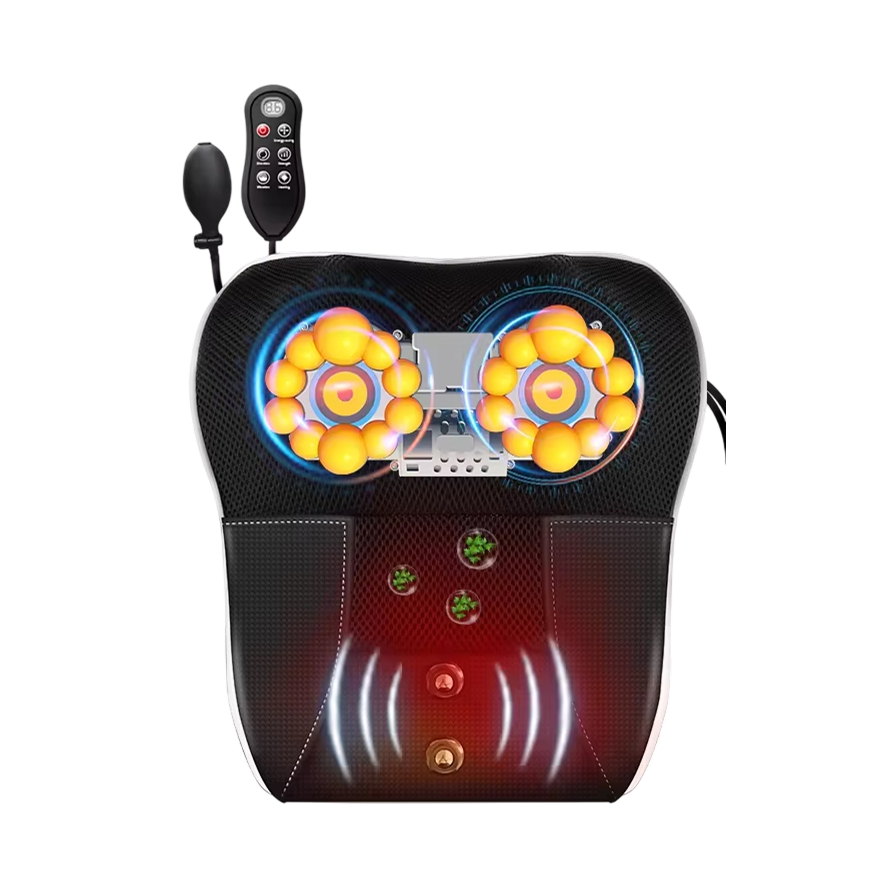
| Heated or massage pillow | No | Yes, surface only, unplugged | Air dry fully before plugging in again |
If the label is missing or unreadable, assume the pillow is spot clean only. Foam that soaks up water holds it for a long time and can break down when it is squeezed hard.
Is it okay to put pillows in a washing machine?
It depends on the fill and the care label. Fiber and many down pillows can go in on a gentle cycle, while foam and anything with electronics stay out. Follow the label or the manual for the pillow you own.
Before You Wash: A Short Checklist
- Read the care label for water temperature, machine or hand wash, and dryer rules.
- Remove the pillowcase and any pillow protector, and wash those on their own.
- Check seams for holes or loose stitching, since fill escapes through them in the wash.
- Try the detergent on a hidden corner first if the fabric is delicate or dark.
- Pick a mild liquid detergent and use less than you would for a full load.
- Plan the drying method before you start so the pillow does not sit wet.
Wash two pillows at once if the machine allows it. A balanced load keeps the drum from thumping, and the pillows rinse side by side.
Washing Fiber and Down Pillows in the Machine
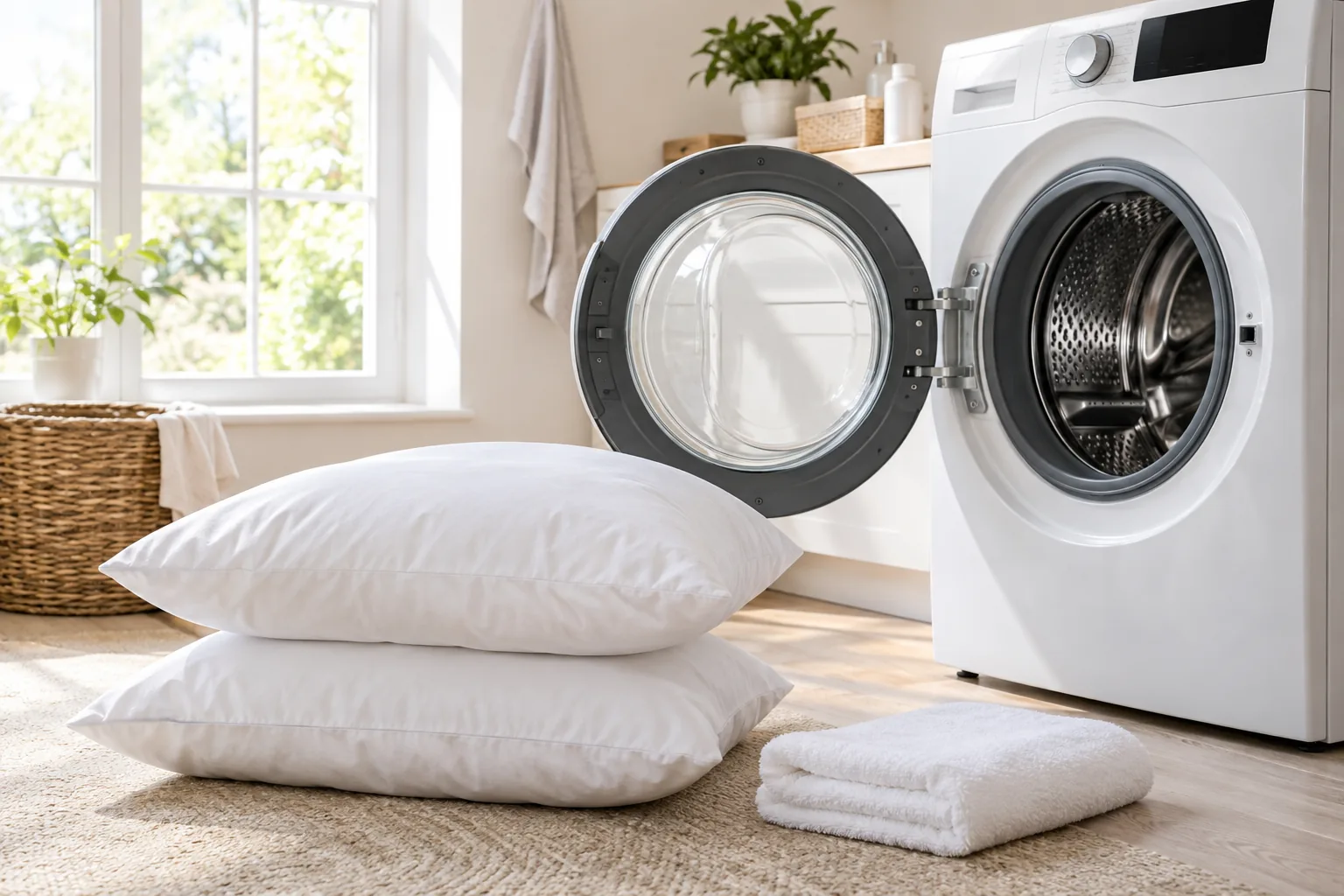
Fiber and down pillows are the types that suit machine washing, provided the label agrees. Follow these steps.
- Load two pillows opposite each other in the drum.
- Add a small amount of mild liquid detergent.
- Choose a delicate or gentle cycle with warm water, unless the label says otherwise.
- Add a second rinse cycle so detergent does not remain in the fill.
- Run an extra spin to push out water before drying.
Front loaders and top loaders
A front loader tumbles the pillows without a center post, so load them as the steps describe and use the gentle setting. A top loader with a center agitator can twist and pull at the fabric. If your machine has one, check the manual for a pillow or bulky setting, or wash the pillows by hand.
Washing without clumping
Clumps form when the fill dries unevenly. Press the pillow flat to remove water, then dry it with two or three clean dryer balls or tennis balls in a sock. Pause the dryer now and then to break up lumps with your hands and turn the pillow over.
Washing by hand or in the bathtub
If the machine is out of the question, fill a tub or large basin with warm water and a small amount of mild detergent. Press the pillow under the water, knead it gently, and drain. Refill with clean water and press until the suds are gone, then squeeze out water by pressing rather than twisting. This method also suits a fiber pillow with a label that says hand wash only.
Washing pillows without a machine or dryer
A bathtub or basin is all you need for the wash. For drying, lay the pillow flat on a clean towel or a drying rack in a ventilated room, flip it every few hours, and press out water with dry towels. Add a fan if the room is humid, and keep going until the center is dry.
Memory Foam and Cervical Pillows
Solid memory foam does not go in the washer or the dryer. Water collects inside the foam, and agitation can tear it. Clean the core by hand and wash only the cover.
- Remove the cover and wash it per its label.
- Mix a few drops of mild detergent into a bowl of warm water.
- Dab the foam with a damp cloth. Do not soak it.
- Blot with a clean, dry towel and repeat with plain water to lift soap.
- Air dry on its side in a ventilated room, away from direct heat, until the foam feels dry all the way through.
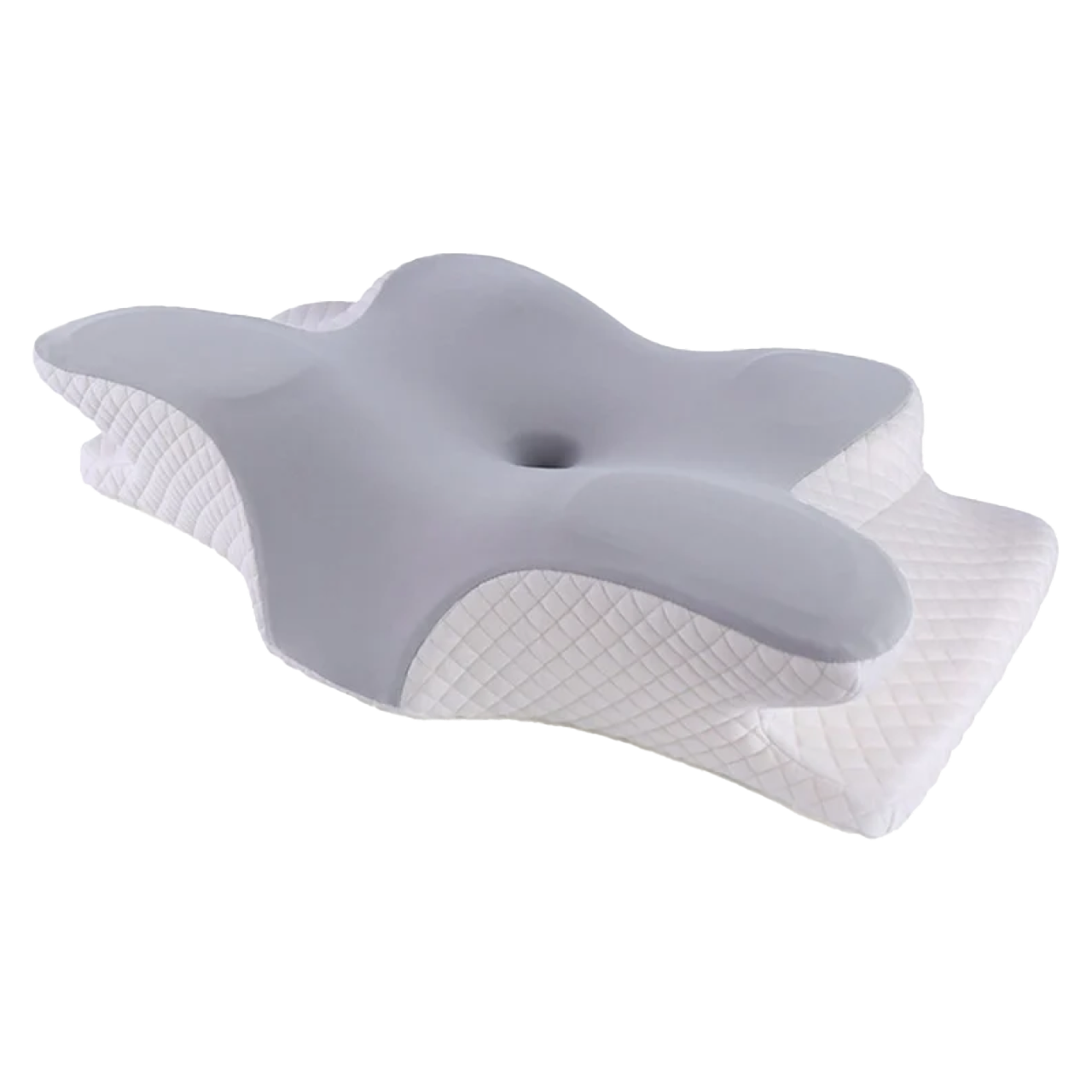
CerviLux has a high-density memory foam core and a removable, machine-washable cover, so you can wash the cover separately from the foam. It also has a removable insert you take out for a lower loft; follow the included user guide for cleaning it. Our guide on how to use a cervical pillow covers orientation and height once it is back on the bed.
 In this guideCerviLux$119.99View
Wedge Foam Pillows
A wedge has a foam base and often foam inserts, so the foam follows the same rule as any other foam: spot clean and air dry. The cover is the part that goes in the machine.
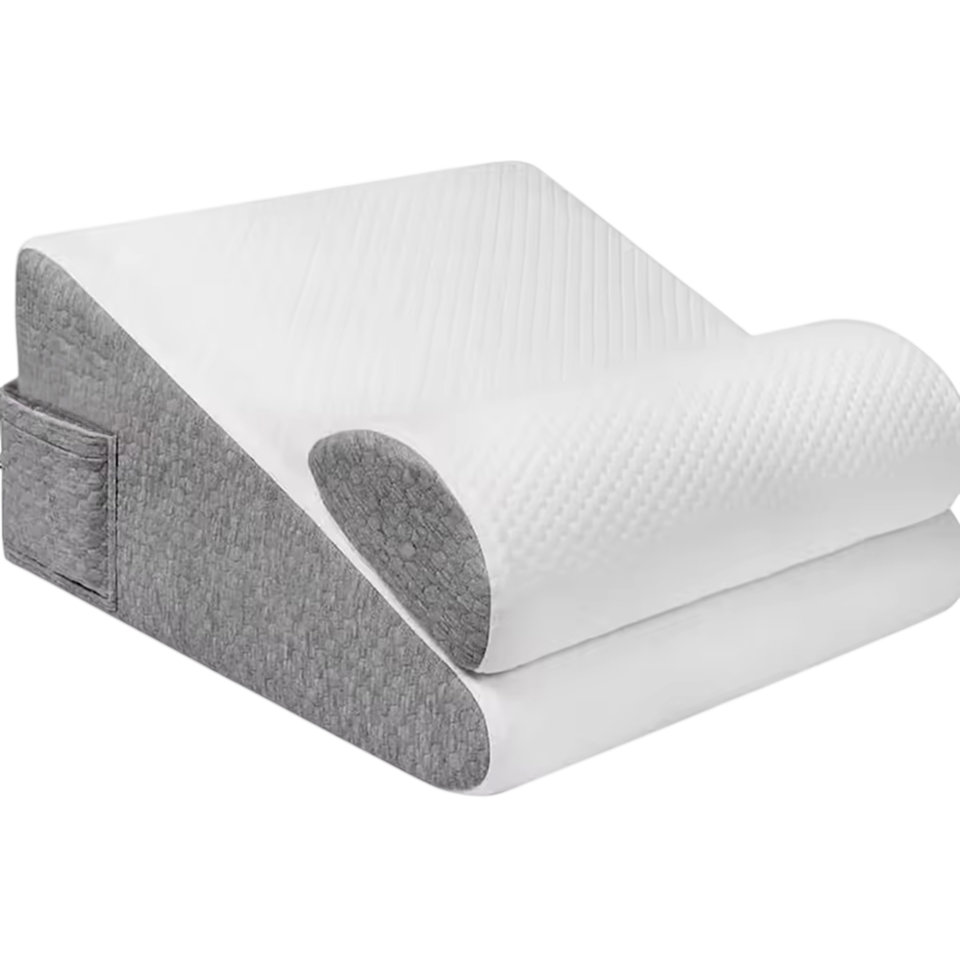
ElevaCrest has a quilted cover that can be taken off and machine washed. Its foam base and three removable foam inserts stay out of the washer. Take the inserts out, wipe each one with a damp cloth, and let them air dry flat before you stack them again using the included configuration guide.
The textured non-slip fabric on the base is part of the wedge, so wipe it with a damp cloth and let it dry before you set the wedge back on the mattress.
 In this guideElevaCrest$119.99View
Heated and Massage Pillows
Assume any pillow with a heating element, motor or adapter is spot clean only unless the manual says otherwise. Water and electronics do not mix, so unplug the pillow and let it cool before you touch it.
- Switch it off with the remote if it has one, then unplug the AC or DC adapter.
- Wipe the outer fabric with a cloth dampened with mild soapy water. Wring the cloth out first.
- Wipe again with a cloth dampened with plain water.
- Air dry fully, with the pillow open and not folded, before you plug it back in.
ZenNape is a heated neck pillow with twenty rotating massage nodes, two heating zones, airbags, and a wireless remote, powered by an AC home adapter or DC car adapter. Because it has these parts, keep it out of the washer and follow the manual for cleaning.
For other warm bedding, see the Cooling & Heated Bedding collection. Our guide to a heated neck and shoulder wrap covers what to look for in a wrap that fits.
 In this guideZenNape$139.99View
Drying Each Pillow Fully
Drying is the step to plan carefully when you wash pillows. A pillow that feels dry on the surface can hold damp fill in the middle, and trapped moisture can leave a musty smell.
- Fiber: tumble on low heat with dryer balls, pause to fluff, and repeat until no cool or damp spots remain in the center.
- Down and feather: use low heat and break up clumps by hand between cycles; finish with air drying if the center is still damp.
- Foam: air dry only, standing the foam on its side so air reaches every face.
- Heated: air dry with the unit unplugged, and do not use a hair dryer on the electronics.
Press your palm into the middle of the pillow and smell it. If it feels cool or damp, or smells stale, keep drying.
Field note
Dry in a ventilated room, and do not put a damp pillow back in its case. A fan pointed at the pillow helps air move through a foam core.
Yellow Stains, Schedule and Whether It Is Worth It
Yellow patches come from sweat and skin oils that soak through the case. For a fiber pillow, wash it as above, using a detergent made for stains. For foam, dab the spot with mild soapy water, blot, and air dry.
Washing pillows is worth the effort if you want to clear out the sweat, oils and dust that collect between washes. A pillow protector under the case sits between you and the fill, and it goes in the wash with your other bedding.
| Task | How often |
|---|---|
| Wash pillowcases | Weekly, along with other bedding |
| Wash or wipe pillow protectors | Every month or two |
| Wash washable pillows or covers | A few times a year |
| Spot clean foam and heated pillows | When marks appear |
Replace a pillow that stays lumpy, flat or stained after washing. Once you know how to wash pillows by fill type, a routine like this one is easy to keep.