
Intelligent Lumbar Massager: Airbags, Heat and Modes Explained
An intelligent lumbar massager is a lower-back device with preset modes, adjustable intensity, an auto-timer and often heat. Here is what each feature does and how to choose.
The Calvedon Team
November 11, 2026 · 6 min read

An intelligent lumbar massager is a lower-back device that adds preset programs, adjustable intensity, an auto-timer and usually heat to basic massage. In practice, "intelligent" means the device runs a routine for you: airbags inflate and release, nodes knead, and the timer ends the session without you watching the clock.
This guide explains what each feature does, compares the options in a table, and gives you a buying and setup checklist. It is about device features and how to use them, not about health outcomes.
What "intelligent" means on a lumbar massager
The word is a marketing label, not a standard. When you read a listing, break it into parts you can check: how the device moves, whether it heats, how you control it, and how it is powered.
Devices in this group combine some of the features below. Use the table as a map for reading product pages.
| Feature | What it does | What to check on the page |
|---|---|---|
| Airbag compression | Inflatable chambers fill and release in a rhythm beneath the lower back | Number of rhythms, adjustable intensity |
| Kneading nodes | Raised nodes press into the lumbar area while the device moves | Whether nodes work with airbags or separately |
| Heat | Adds warmth to the lumbar area | Whether heat can run on its own |
| Preset modes | Fixed movement patterns you cycle through | Mode descriptions, not just a count |
| Auto-timer | Ends the session on its own | Whether it is built in |
| Cordless battery | Lets you use it without a cord attached | Battery capacity in mAh and charging port type |
How airbags, nodes and heat work together
Airbag compression
Airbags fill with air and release in a repeating rhythm. On a lumbar device they sit under the lower back, so your body weight holds them in place while you lie back. Different modes change the rhythm, and an intensity setting changes how firm the compression is.
Kneading nodes
Nodes are raised contact points that press into the area as the device moves. When they work alongside airbags, you get pressure from below plus a kneading action in one pass.
Heat
An integrated heat function adds warmth to the lumbar area. A useful design lets you run heat as its own mode, so you can choose warmth without airbag movement, or combine it with the nodes.
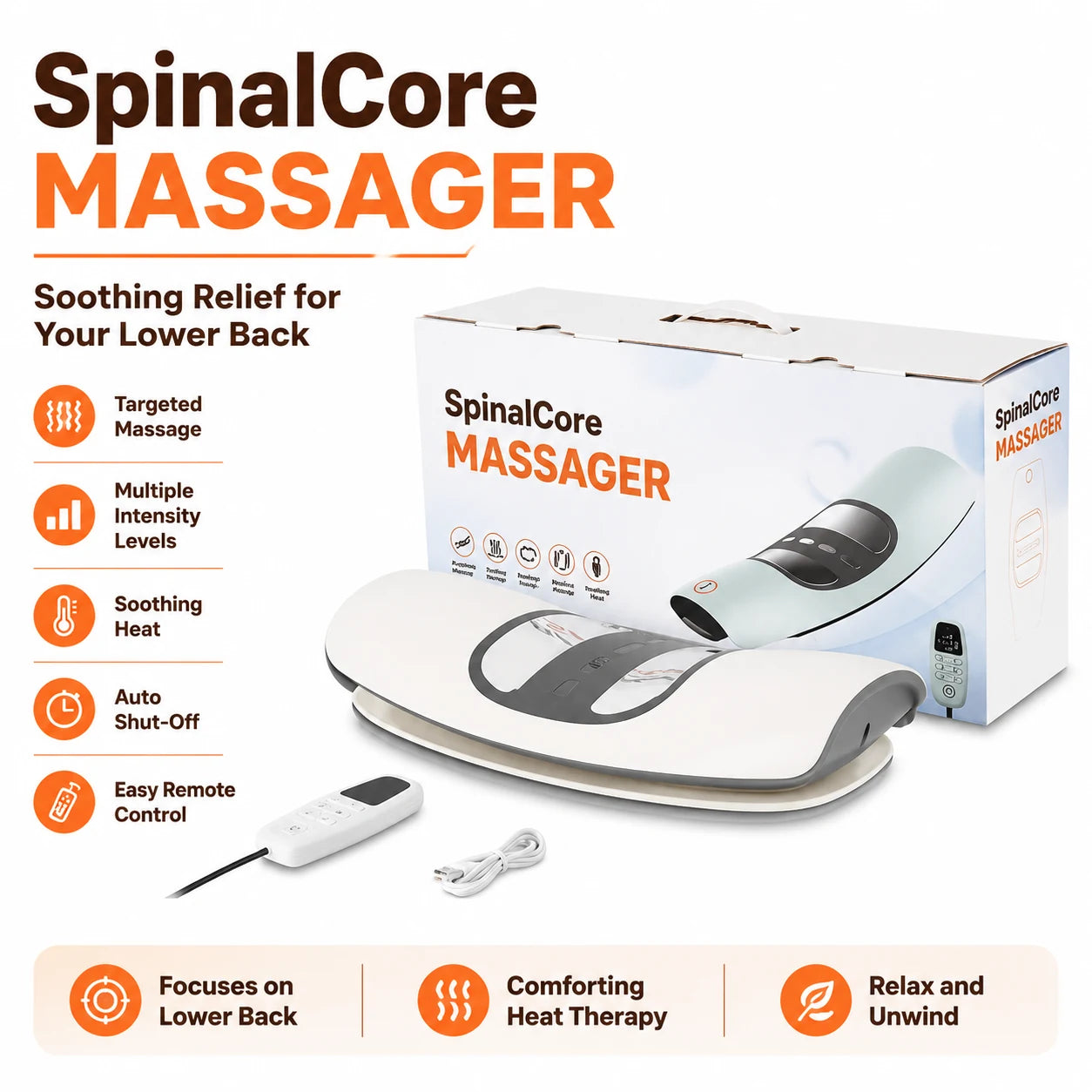
One example is SpinalCore, a lumbar massager with inflatable airbags, kneading nodes and a heat function that can run as a standalone mode. Modes 1 and 2 use pulsing vertical airbag compression at different rhythms, and Mode 3 uses a side-to-side motion across the width of the lower back. Each mode has adjustable intensity.
 In this guideSpinalCore$199.99View

Traction and stretch: a different feature
Some listings sell "electric lumbar traction" or "back stretcher" devices. These are a separate design: they aim to arch or stretch the lower back rather than knead it. They often use a rigid frame or a larger inflating support.
Do not assume an intelligent lumbar massager does this. SpinalCore, for example, is described by its airbags, nodes, heat and three modes, so read it as a massager. If a page promises both massage and stretch, look for a description of exactly how the stretch is produced and what the manual says about positioning.
If you have a spinal condition, recent surgery or ongoing back concerns, ask a licensed healthcare provider before choosing any device that stretches or compresses the lower back.
Feature comparison: choosing between device types
Use this table to match the device type to how you plan to use it.
| Device type | Where you use it | Power | Controls to look for |
|---|---|---|---|
| Airbag and node lumbar massager | Lying back on a bed, sofa or mat | Built-in battery or cord | Mode button, intensity levels, auto-timer |
| Lumbar pillow massager | Against a chair or sofa back | Corded or battery, per the page | Heat switch, node speed |
| Chair lumbar massager | Strapped to an office or car seat | Cord or adapter | Strap fit, heat, timer |
| Traction or stretch device | Lying flat | Varies | Stretch description, positioning steps in the manual |
A shiatsu-style lumbar massager focuses on rotating or kneading nodes, while an airbag model relies on compression. Neither is a replacement for guidance from a healthcare provider.
Buying checklist: steps to follow before you order
- Decide where you will use it: lying back on a bed, or against a chair. This sets the device type.
- Read the mode descriptions. Look for what each mode physically does, such as pulsing compression or side-to-side motion, not only a number of modes.
- Check for adjustable intensity on every mode.
- Confirm whether heat is integrated, and whether it can run alone.
- Look for an auto-timer, so the session ends on its own.
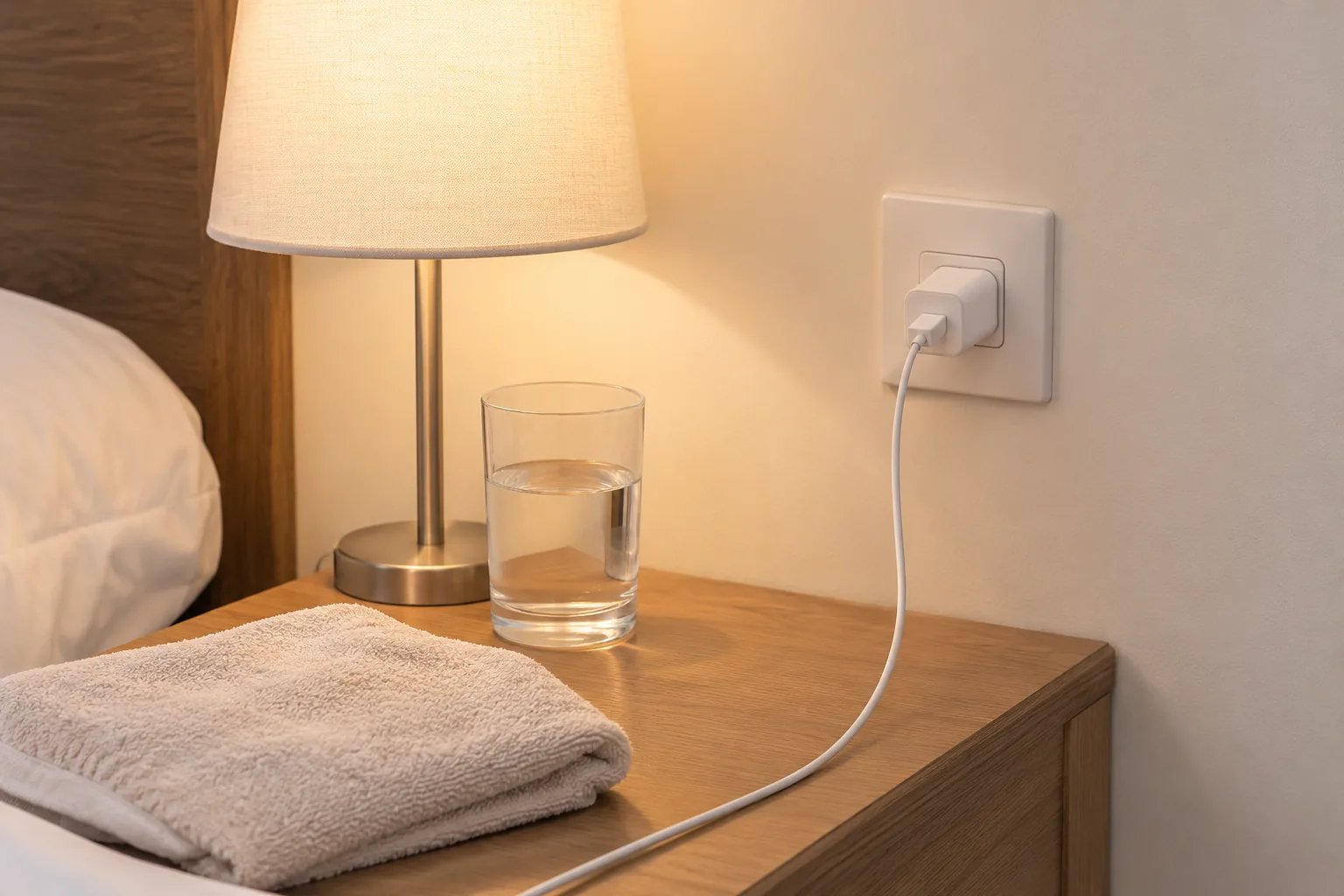
- Check the power: battery capacity in mAh, and the charging port. SpinalCore lists a built-in 1800mAh battery with Type-C charging.
- Read the box contents. SpinalCore includes the massager, a reinforcing support plate, a Type-C charging cable, a user manual and a gift box.
- Look for a manual and clear usage steps on the product page.
If you are comparing several devices, our massagers for neck, back and feet collection puts them side by side.
Setup and first-session steps for an intelligent lumbar massager
Read the user manual first and follow its guidance on placement, charging and who should not use the device. The steps below are general.
- Charge the battery with the supplied cable before the first use, if your model is cordless.
- Choose a flat, firm surface such as a bed or a mat. Lie back with the device placed beneath your lumbar region.
- Start on the lowest intensity setting.
- Tap the button to select a mode. On a one-button design, the same button cycles through modes and intensity levels.
- Add heat only if the model offers it, and follow the manual for how long and how warm.
- Keep sessions short, and let the auto-timer end each one.
- Turn the device off and remove it if anything seems wrong, then check the manual or ask a healthcare provider.
Field note
Start every new mode on the lowest intensity and raise it one level at a time. If the device has heat, try the massage modes first, then add warmth in a later session.
Common mistakes and care schedule
Common mistakes
- Using the device on a soft mattress or sofa cushion that lets it tilt, when the manual calls for a firm surface.
- Starting on high intensity instead of the lowest level.
- Falling asleep while the device is on. Use the auto-timer and stay awake.
- Using heat over a blanket or with other heat sources.
- Skipping the manual, especially the sections on who should avoid the device.
Care schedule
| When | What to do |
|---|---|
| After each session | Turn the device off and wipe the surface with a dry or barely damp cloth, following the manual |
| Before charging | Check that the Type-C port and cable are dry and undamaged |
| Between uses | Store it flat, away from sharp objects and direct heat |
| If it behaves oddly | Stop using it and check the manual |
Unplug the charging cable before wiping the device. If a cable or port looks damaged, do not use it.
Who should talk to a professional first
Check with a licensed healthcare provider before using a lumbar massager if you are pregnant, have an implanted device, have a spinal condition, or are unsure whether compression or heat suits you. The manual lists its own cautions, and they take priority over general advice.
For more on routine and settings, see our guide to an electric gua sha routine, which shows how to build a short session around intensity levels. If you are weighing battery-powered warmth in other devices, heated socks vs heated insoles compares battery and fit.
Frequently asked questions
Keep reading
 Hand, Leg & Head MassagersHow to Use a Scalp Massager: Wet or Dry, Timing and Cleaning6 min read
 Massagers for Neck, Back & FeetHow to Massage Back Muscles: Hand Strokes and Massager Steps6 min read
 Massagers for Neck, Back & FeetHow Do Acupressure Mats Work? Spikes, Session Length and Setup6 min read