
Foot Spa at Home: A Step-by-Step Setup and Soak Routine
Set up a foot spa at home with one routine: seat, water temperature, electrical care near water, soak, massage and cleanup, plus a DIY option.
The Calvedon Team
October 23, 2026 · 7 min read
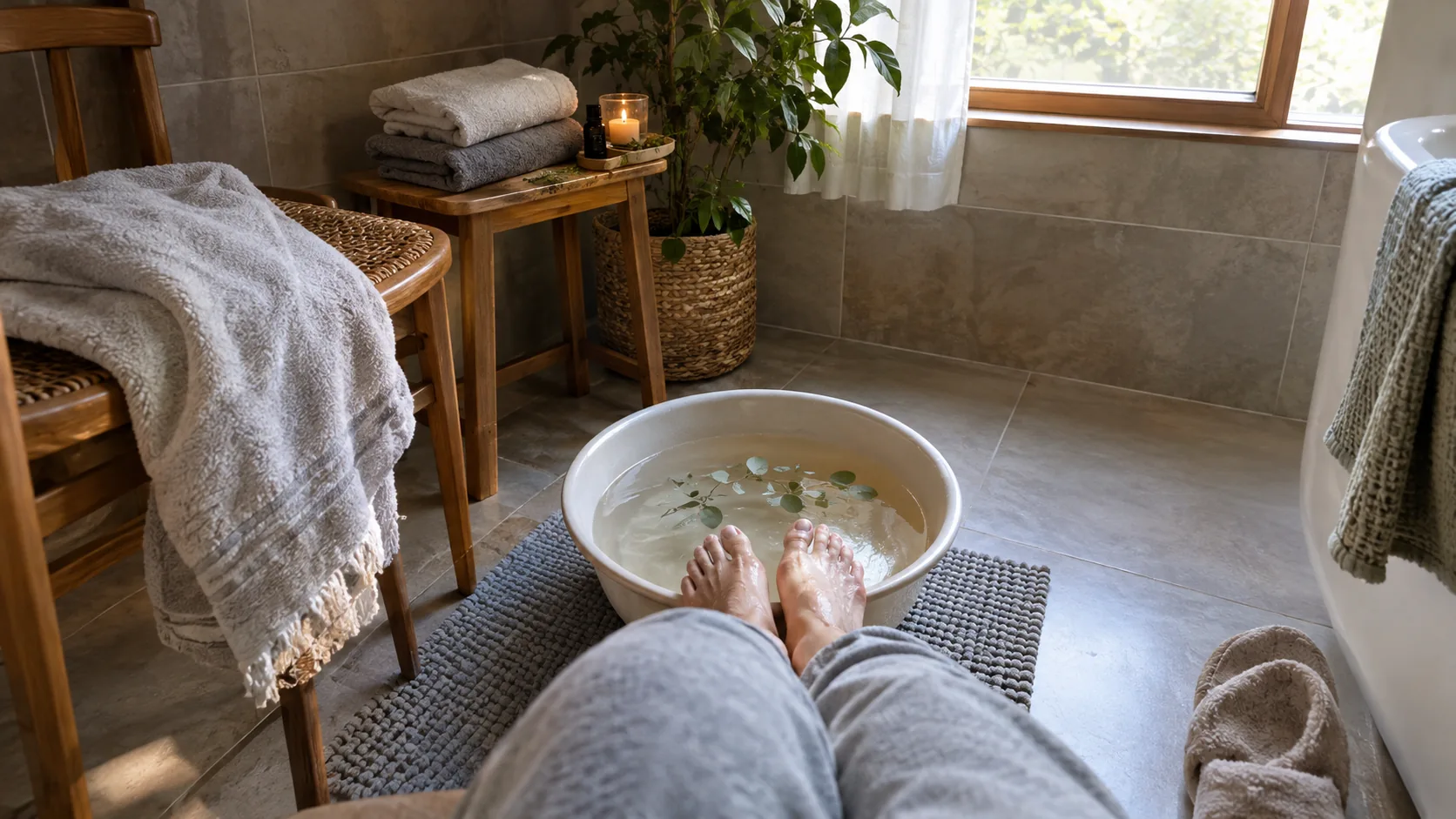
A foot spa at home needs four things: a stable seat, a basin or massager, warm (not hot) water, and a plan for electricity near water. Set the equipment on a dry, level floor, check the water with your wrist, follow the timer or manual for session length, then unplug, empty and dry everything. This guide turns those points into one routine you can repeat.
It covers a soak tub, a massager, a do-it-yourself option and the cleanup that leaves the setup ready for next time.
What you need for a foot spa at home
You do not need a full pedicure station. A short checklist covers the basics, and each item has a job.
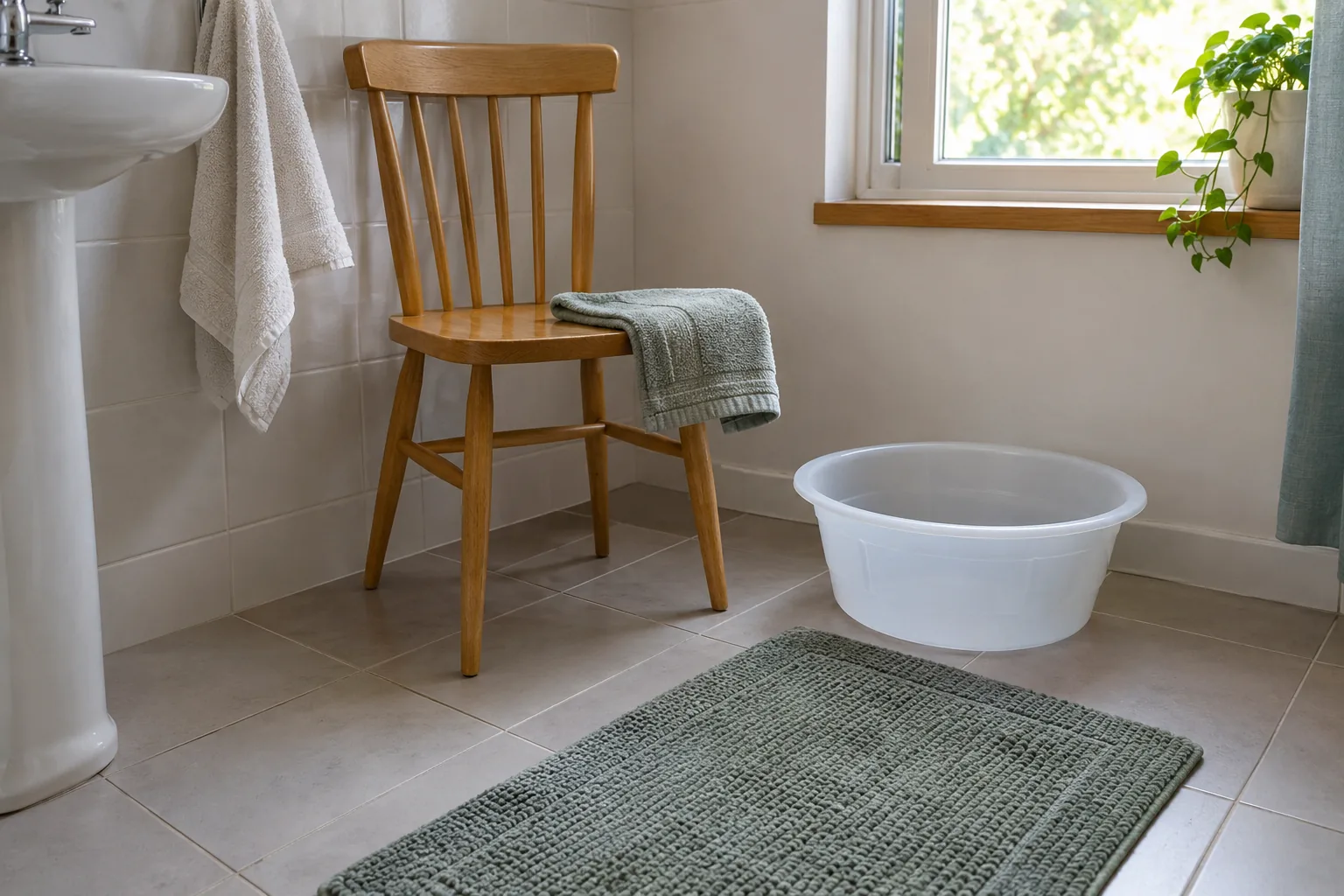
- A sturdy chair, with your feet reaching the floor or basin without leaning forward.
- A basin or tub wide enough for both feet, or a foot massager with pockets for both feet.
- A non-slip mat or towel under the basin, plus a second towel for your feet.
- A pitcher or kettle for adding warm water, and cool water to adjust it.
- A timer, unless your device has its own timed cycle.
- An outlet within reach of the cord, so no cord crosses a wet floor.
Gather everything before you fill the basin. Reaching for a towel with wet feet is a common way to cause a spill, so keep the second towel within arm's reach.
Electrical basics near water
Water and mains power need extra care. Read the manual for every device before first use, and keep the cord and adapter off the floor where water can collect.
- Dry your hands before touching a plug, switch or control unit.
- Place the control unit or power adapter on a dry surface, away from the basin edge.
- Plug in only after the basin is in place and filled; unplug before you empty it or move it.
- Do not use extension cords that lie on a damp floor.
- Ask an electrician whether the outlet has ground-fault protection.
If a cord is frayed, or a unit gets wet in a way the manual does not allow, do not use it and contact the maker.
Water temperature and soak time
Aim for warm water, not hot. Check it with your wrist or elbow before your feet go in, then add cool water if it seems too warm. Pour warm water in slowly at the side of the basin, away from your feet.
For session length, follow the manual of your basin or device. If you use a plain tub, set a kitchen timer and keep the first sessions short. Lift your feet out if the water cools or you feel lightheaded.
Check with a healthcare provider first if
- You have reduced feeling in your feet, since you may not notice water that is too warm.
- You have open skin, cuts or a foot condition.
- You are pregnant or have a health condition and are unsure whether a foot soak suits you.
A foot spa is a routine for sitting down and unwinding, not a way to address a condition. A healthcare provider is the right person to ask about any health question.
The step-by-step routine
Use this order every time. It ties a soak and a massage into one sitting, with the water finished and your feet dry before any massager is switched on.
| Step | What to do | Check |
|---|---|---|
| 1. Prepare | Set the mat, chair, towels and timer | Floor is dry, outlet is within reach |
| 2. Fill | Add warm water to the basin | Wrist check says warm, not hot |
| 3. Power | Dry hands, then connect the unit | Cord is clear of water |
| 4. Soak | Rest both feet in the basin | Follow the manual or timer |
| 5. Finish the soak | Unplug the basin unit, lift feet out, pat dry | Towel between the toes |
| 6. Clear the water | Move the basin aside | Floor around the chair is dry |
| 7. Massage | Slide dry feet into a foot massager, if you use one | Start on the lowest level |
| 8. Unplug | Remove your feet, then unplug the massager | Cord is coiled away from the floor |
| 9. Clean | Empty, rinse and dry the basin | Store it open to air |
Sit upright through the whole routine. Stand up slowly when you finish, because wet feet slip on tile, and keep the non-slip mat under your feet as you step out.
Where a soak tub and a massager fit
A basin handles the water part of the routine. A massager handles the hands-free kneading part. You can use either alone or one after the other.
An ionic basin for the soak
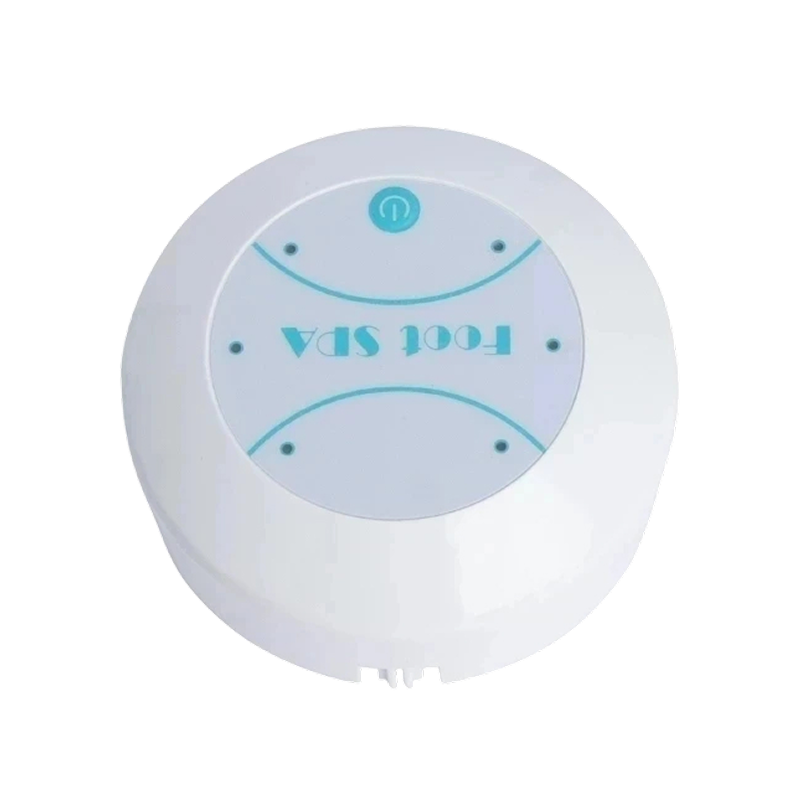
IonRenew is an ionic foot spa with a control unit, a foot basin with a removable liner and an ionic array. You fill the basin with warm water, add the included sodium salt packet, place the array in the water and connect the control unit. The salt makes the water conductive so the array can work with the low-power current from the control unit.
The control unit runs a timed cycle, with progressive lights showing where the session is and an alert tone at the end, so you do not need a separate clock. It also has a built-in massage function that runs alongside the cycle. Water color may change during a session, which comes from the array reacting with the salted water.
 In this guideIonRenew$119.99View
A shiatsu foot massager for the dry part
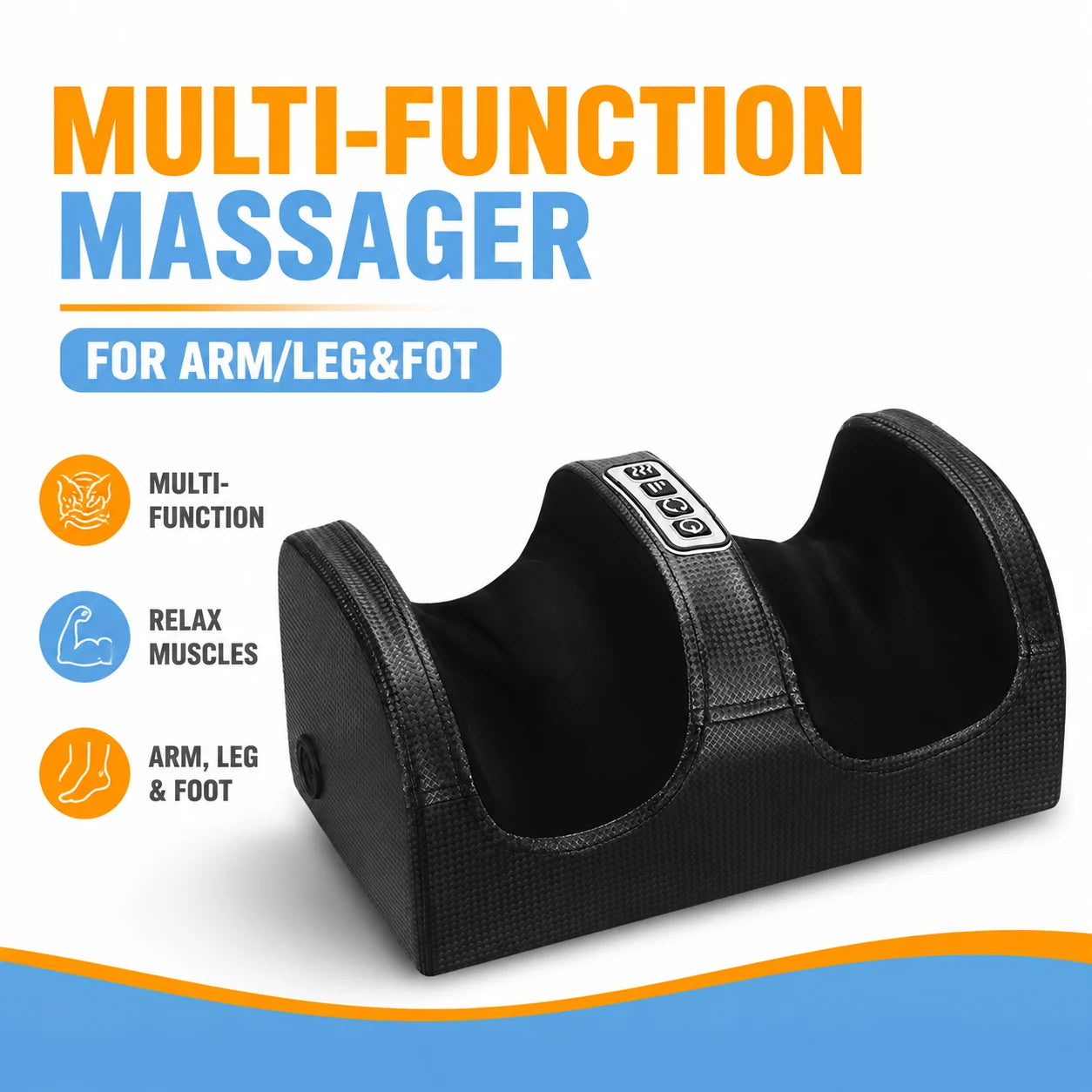
SolePulse is an electric shiatsu foot massager with twenty heads that rotate in both directions, air compression bladders around the foot and a built-in heat function. You slide both feet into the pockets, choose one of three intensity levels and let it run until the automatic timer ends the session. The kneading heads work across the arch, heel and ball of the foot.
SolePulse is not a water basin, so use it after the soak once your feet are towel-dried, and follow the manual. It comes with a universal power adapter (110–240V); check the manual for plug and outlet guidance. Remove your feet and unplug it when the session ends.
 In this guideSolePulse$99.99View
Field note
Keep wet and dry steps separate: finish the soak, unplug the basin unit, dry your feet fully, move the basin aside, and only then bring the massager's cord into use.
A DIY foot spa when you have no device
A plastic basin and a few household items make a workable at home foot spa. Use a tub deep enough to cover your ankles, then add warm water you have checked with your wrist. A small handful of bath salt or a spoon of plain salt is optional; skip anything scented if you know fragrance bothers your skin.
Place a clean towel under the basin and skip any plug-in parts. Without a heater, the water cools as you sit, so keep a pitcher of warm water nearby. For massage without a powered device, roll each foot over a tennis ball for a short stretch after drying.
Browse our massagers for neck, back and feet if you later want a powered option.
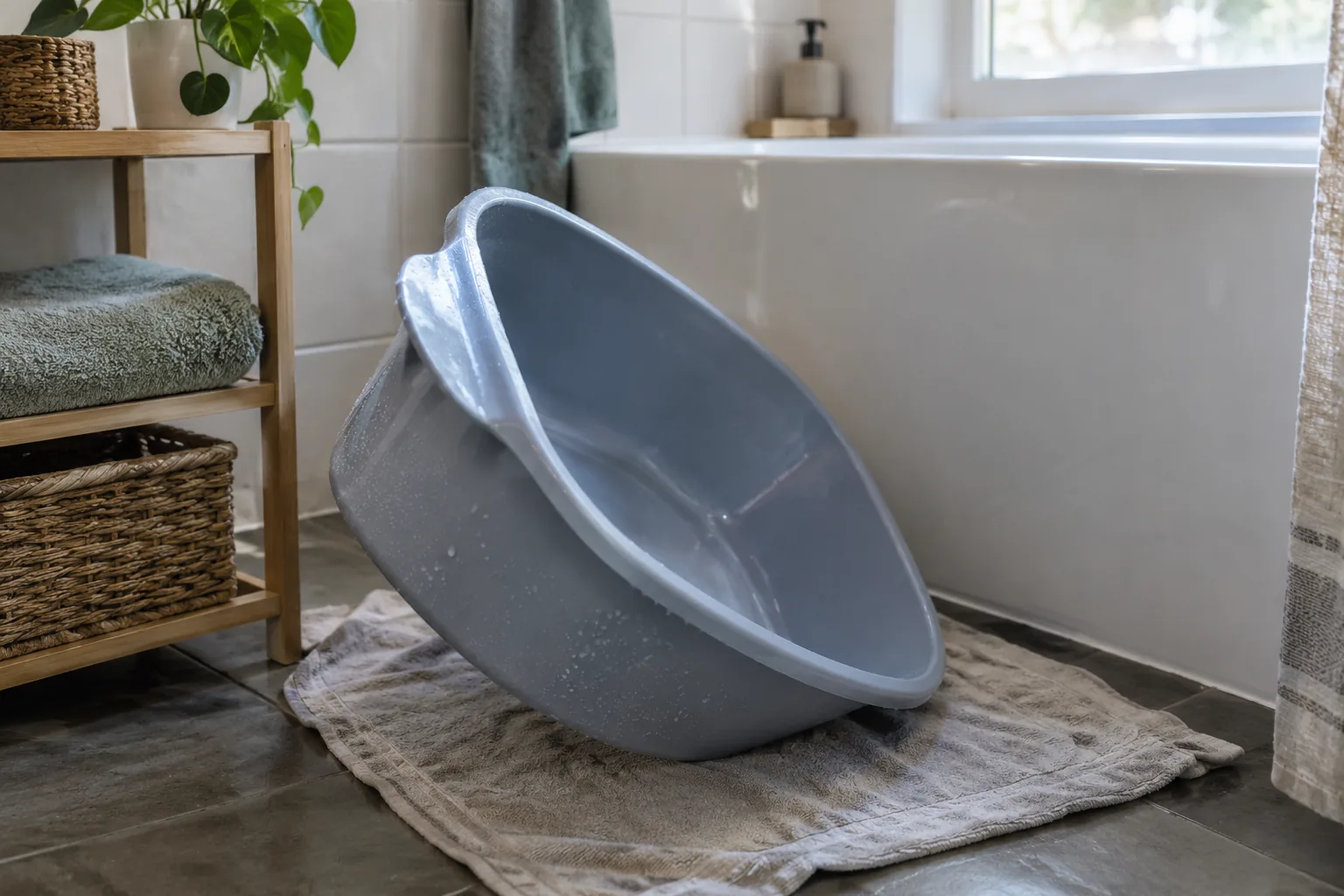
Clean and dry afterwards
Cleanup is part of the routine, not an extra. Unplug first and move the unit away from the water area.
- Empty the basin into the tub or sink.
- Rinse the basin. For IonRenew, rinse the basin and the array.
- Wipe the control unit and any adapter with a barely damp cloth only; do not submerge them.
- Wipe the foot pockets of a massager with a dry or lightly damp cloth, as the manual allows.
- Leave everything open to air, then store it away from the bathtub edge.
A bathroom that stays damp slows drying; our guide to a small dehumidifier for bathrooms covers sizing and placement. If you finish the routine at bedtime and your feet feel cold afterward, the foot warmer in bed comparison explains electric warmers and heated pads.
Common mistakes to avoid
- Filling the basin before the chair, mat and towels are in place.
- Skipping the wrist check and starting with water that is too warm.
- Leaving a cord where a splash can reach it.
- Putting wet feet into an electric massager instead of drying them first.
- Starting a massager on its highest level instead of the lowest.
- Putting a damp basin away closed, which keeps moisture trapped.
- Using a device in a way the manual does not list.
Fix these and the same routine is simple to repeat whenever you choose.
Frequently asked questions
Keep reading
 Bedroom Air & LightingAir Purifiers for Small Rooms: Sizing by CADR, Noise and Filters6 min read
 Dryers, Irons & Light-Based Hair DevicesWhat Is an Ionic Hair Dryer? Ionic vs Ceramic Explained7 min read
 White Noise & Sleep EarbudsNoise-Canceling Earbuds for Sleep: What to Check Before Buying7 min read