
How to Shave Your Face: A Step-by-Step Routine
Cleanse, prep, shave in short light strokes, rinse, then moisturize and clean the tool. This guide covers blade and electric shavers, wet vs dry, and peach fuzz.
The Calvedon Team
October 29, 2026 · 8 min read

To learn how to shave your face, start with a clean, dry or lightly wet face, hold the skin flat, and use short, light strokes with a fresh blade or a clean electric head. Shave in the direction the hair grows first, rinse or wipe the tool often, then finish with moisturizer. The same routine works for a razor and for an electric shaver, with a few differences covered below.
Whether you shave a beard line, a mustache area or fine facial hair, the order of steps stays the same: prep, shave, finish, clean up. Use the sections below as a checklist you can come back to.
What You Need and Which Tool to Use
Setup checklist
Gather everything first so you are not reaching around with a wet blade or a half-shaved face.
- A gentle face cleanser and a clean towel
- A fresh razor blade, or an electric shaver with a clean head
- Shaving cream, gel or foam if you use a blade
- A mirror and bright lighting, so fine hair is visible
- A fragrance-free moisturizer, or an aftershave if you prefer one
- A small bowl or a running tap for rinsing the blade
Fine facial hair is hard to see in dim bathroom light, and missed patches lead to extra passes over the same skin.
Blade vs electric
Both tools remove hair at the surface. They differ in how you prep, how you move them and how you clean them.
| Point | Blade razor | Electric face shaver |
|---|---|---|
| Skin prep | Warm water and shaving cream, gel or foam | Cleansed, dry skin is typical; follow the manual |
| Stroke style | Short, light strokes, one direction at a time | Short, gentle strokes across the skin |
| Between strokes | Rinse the blade often | Wipe away clippings |
| When to replace | When the blade drags or tugs | Replace the blade or head per the manual |
| Cleaning | Rinse, shake dry, store dry | Brush or wipe the head, then dry |
If you are still deciding, our guide to choosing a good electric shaver for women compares foil, rotary and trimmer styles. You can also browse the Shavers & Precision Trimmers collection.
How to Shave Your Face, Step by Step
1. Cleanse the skin
Wash with a gentle cleanser to lift oil, sunscreen and makeup. Hair coated in product can clog a blade or an electric head. Rinse well and pat the skin with a clean towel.
2. Prep for your tool
For a blade, soften the hair with warm water, then apply a thin, even layer of shaving cream, gel or foam. For an electric shaver, dry the skin fully unless the manual says the shaver can be used wet.
If you have no shaving cream on hand, a plain, fragrance-free lotion or a conditioner can give the blade some glide. Skip bar soap, and do not shave completely dry with a blade.
3. Hold the skin flat
Use your free hand to stretch the skin gently around the area, such as the cheek or the jawline. Flat skin gives the tool an even surface to move over. Curved areas like the chin and upper lip need a small angle change rather than extra pressure.
4. Shave in short, light strokes
Let the tool do the work. Use short light strokes of about an inch or two, and lift the tool between passes. Pressing harder only drags on the skin.
5. Rinse or wipe often
Rinse a blade after every few strokes so hair and cream do not pile up between the edges. With an electric shaver, wipe off the clippings as you work so you can see what is left.
6. Finish the tricky areas last
Do the upper lip and chin at the end. The hair there is often coarser and the skin curves, so work in small strokes. Edge the hairline, brows or sideburns with a detail blade or trimmer if you have one.
7. Rinse, pat dry and moisturize
Rinse with cool water, pat dry without rubbing, and apply a moisturizer or aftershave you already use on your face. Keep the routine plain and stick to products you know.

Direction and Wet or Dry: Setting Your Method
Up or down: which direction to shave
Start with the grain, which means in the direction the hair grows. On many faces that is downward on the cheeks and upward on the neck, but growth patterns vary, so look closely or run a fingertip over the skin to feel which way the hair lies.
Shaving against the grain cuts the hair shorter at the surface, but it can lead to razor burn and ingrown hairs. If you want a shorter finish, make one pass with the grain first, re-apply cream, and then try a light pass across the grain. Skip the against-the-grain pass on areas that already look red.
- Cheeks: usually downward
- Neck: usually upward
- Upper lip and chin: change direction as the hair changes, with small strokes
Wet or dry
Wet shaving suits a blade. Warm water and shaving cream, gel or foam help the edge glide, and you rinse the blade as you go. Dry shaving suits most electric shavers, and the usual prep is cleansed, fully dry skin.
If you shave your face as a woman with a blade, the same wet routine applies: cleanse, add a thin layer of cream or gel, and use light strokes. If you prefer a dry method, an electric face shaver made for fine hair skips the lather step. Check the manual of any electric tool before using it with water or product on the skin.
| Method | Prep | Typical match |
|---|---|---|
| Wet | Warm water, cream, gel or foam | Blade razors |
| Dry | Cleansed, fully dry skin | Electric face shavers, per the manual |
Shaving Peach Fuzz and Fine Facial Hair
Shaving peach fuzz is a personal choice, and you can do it if you want to. Fine facial hair is soft and light-colored, so it is easy to miss. That is why bright light and a flat, dry surface help.
Use light pressure and move in short strokes across cheeks and forehead. Keep the strokes away from the eye area, and use a small detail blade for brows, lips and the hairline.
Hair removal on the face is a cosmetic routine, so if you have questions about your own skin, ask a qualified professional before you start.
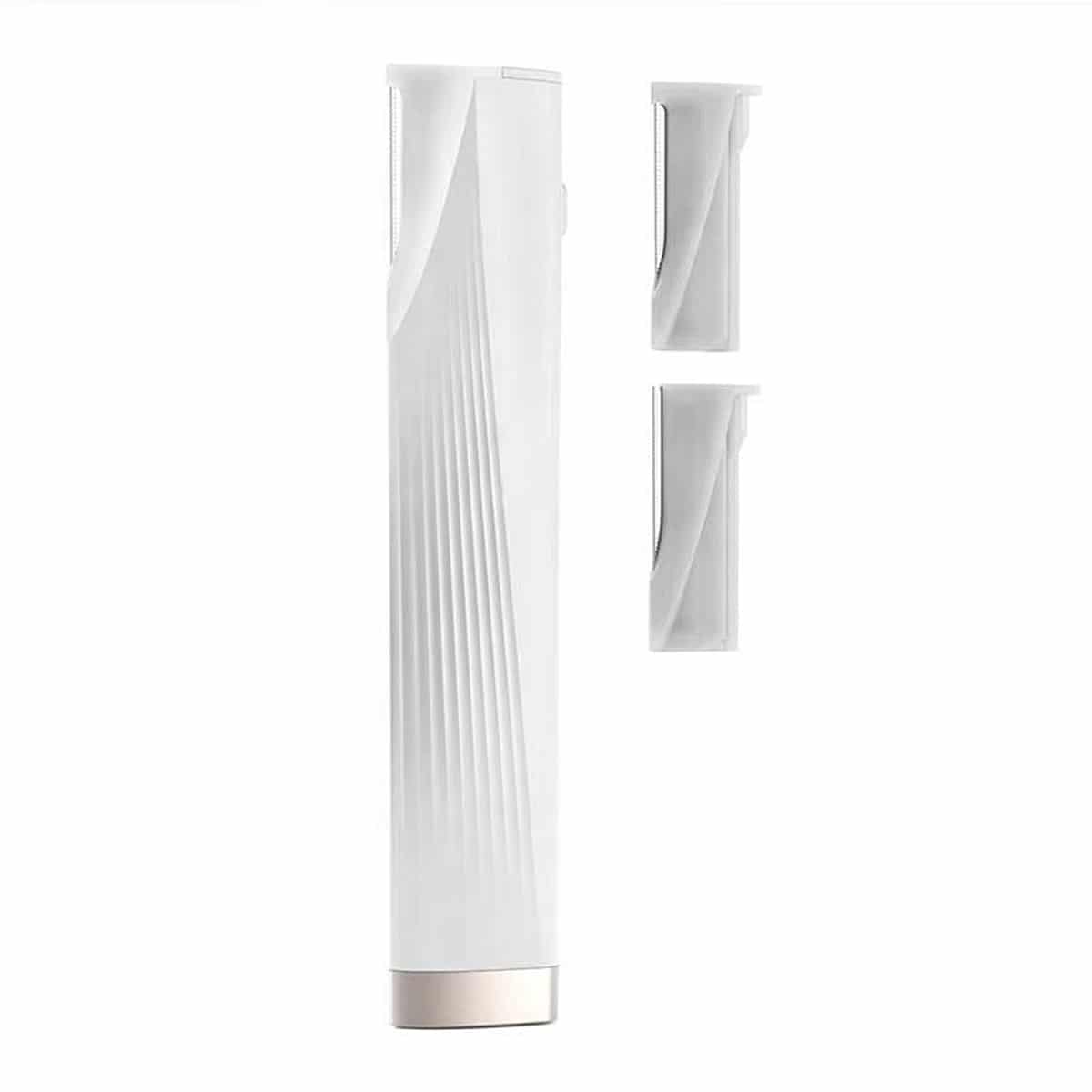 In this guideVelvetRaze$109.00View
Using an Electric Face Shaver for Fine Hair
If you want a dry routine for fine hair, VelvetRaze is a rechargeable facial shaver for fine facial hair. It has three sonic vibration levels: pick a higher level for coarser hair or a lower one for delicate areas such as the cheeks, and switch as you go.
A built-in LED light lights the area you are working on, which helps you see fine hair that ordinary bathroom lighting hides. It comes with two blades: a wide blade for larger areas like the cheeks and forehead, and a precision blade for the brows, lips and hairline.
The product page describes the steps: cleanse and dry your skin, power on the device and choose a vibration level, turn on the LED light, then move the blade across the skin in short, gentle strokes. Wipe away the clippings and clean the device afterwards. It charges over USB-C, and the box includes 4 replaceable blades, a protective travel bag and a USB-C charging cable.
For an electric routine on another area, read shaving your head with an electric shaver, which covers prep and technique steps that carry over to the face.
Field note
Shave under bright, even light and keep your free hand on the skin. If you can see a hair clearly in the mirror, you can shave it in one pass instead of going over the same patch again.
Cleaning Your Shaving Tool Afterwards
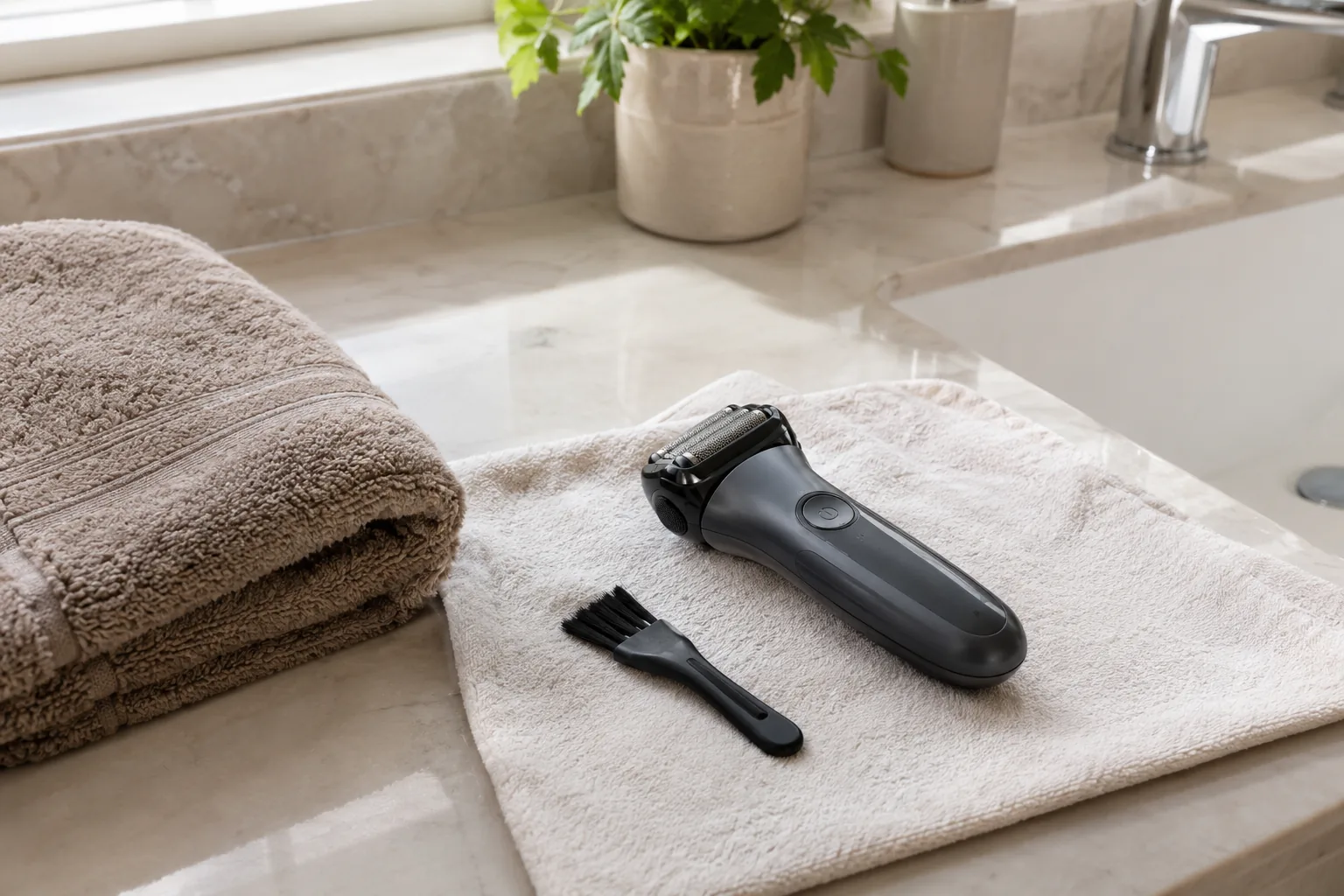
A clean tool is part of the routine, because leftover hair and product stay on the blade between uses. Clean and dry it after each shave.
Blade razors
- Rinse under running water, cutting edge facing away from your fingers.
- Shake off the water and let the razor air dry.
- Store it somewhere dry, not in a damp shower corner.
- Replace the blade when it tugs or drags instead of gliding.
Electric face shavers
- Switch the device off and unplug any charging cable first.
- Wipe away clippings with a dry cloth or the cleaning brush if the manual includes one.
- Follow the manual for whether the head can be rinsed.
- Dry it fully and store it in its case or travel bag.
- Swap in a fresh blade when the manual says to.
Wash your hands, then your face again if you used any product, and keep the tool out of reach of children.
Common Mistakes to Avoid
- Pressing hard, which drags on the skin
- Using a worn blade or a head that needs replacing
- Shaving over unwashed skin with makeup or sunscreen still on it
- Going against the grain on the first pass
- Skipping moisturizer afterwards
- Sharing tools with other people
- Trying a new product right before an event, rather than on a normal day
If razor burn or ingrown hairs show up, give the area a break from shaving and keep products simple. If the skin stays red, ask a professional.
Once you know the steps, the routine becomes a habit: cleanse, prep for your tool, hold the skin flat, shave in short light strokes with the grain, rinse or wipe often, moisturize and clean the tool. Change one variable at a time, such as the blade, the direction or the vibration level, so you can tell what changed.
Frequently asked questions
Keep reading
 Shavers & Precision TrimmersChoosing a Good Electric Shaver for Women: Foil, Rotary or Trimmer7 min read
 Dryers, Irons & Light-Based Hair DevicesHow to Clean Hair Brushes, Including Heated and Thermal Brushes7 min read
 Dryers, Irons & Light-Based Hair DevicesGoing to Sleep With Wet Hair: A Timed Pre-Bed Drying Routine6 min read