How to Fix Your Sleep Schedule: A Step-by-Step Reset Plan
Fix your sleep schedule by keeping one wake time from Day 1, getting light early, and moving bedtime earlier in small steps. Here is a day-by-day plan with a bedroom checklist.
The Calvedon Team
November 13, 2026 · 7 min read

To learn how to fix your sleep schedule, pick one wake time and keep it every day, weekends included. Get bright light soon after waking, dim the lights in the evening, and move bedtime earlier in small steps until you fall asleep at the hour you want. A calculator can suggest a bedtime, but a fixed wake time and light timing are the habits to build the plan around.
This plan runs over two weeks. The wake time stays fixed from Day 1, and only bedtime moves. It includes a bedroom checklist and a list of common mistakes. If sleep problems continue for weeks, ask a healthcare professional.
Why a fixed wake time comes first
Your internal clock uses regular cues to decide when to feel alert and when to feel sleepy. The cue you control most directly is the time you get up and see light. Bedtime is harder to force, because you cannot make yourself fall asleep on command.
That is why a sleep calculator is only a starting point. Some calculators count back in sleep-cycle blocks from your wake time to suggest a bedtime. They use averages and may not reflect your own sleep latency, the time you take to fall asleep, or how late you were awake the night before. Choose the wake time first, then build everything else around it.
Step 1: Choose your anchor wake time
- Pick the time you must get up on your busiest weekday.
- Decide how much sleep you want each night. Check what leaves you alert in the morning.
- Count back from the wake time by that amount of sleep and add the time you usually need to fall asleep. That is your target bedtime.
- Write both times down and set an alarm for the wake time only.
For example, if you wake at 6:30 a.m. and want to be asleep by 11:00 p.m., your target bedtime is a little before 11:00 p.m., depending on how long you take to drop off. If your current bedtime is far later than the target, do not jump straight to it. Start from the time you actually fall asleep now and move earlier in steps, as shown in the plan below.
How to fix your sleep schedule: a day-by-day plan
Keep the wake time fixed from Day 1. Move only bedtime earlier, by about a quarter hour every two nights, and go to bed only when sleepy. Once you reach the target bedtime, hold it.
| Day | Wake time | Morning light | Bedtime and evening |
|---|---|---|---|
| 1-2 | Your anchor time, no snooze | Go outside or sit by a bright window soon after waking | Go to bed at the time you currently fall asleep; dim the lights beforehand |
| 3-4 | Same anchor time | Same | Bedtime a quarter hour earlier, only when sleepy |
| 5-6 | Same anchor time | Same | Another quarter hour earlier; keep screens away from bed |
| 7-10 | Same anchor time, weekend included | Same | Keep stepping earlier every two nights until you reach the target bedtime |
| 11-14 | Same anchor time | Same | Hold the target bedtime and repeat the same wind-down |
Skip long naps during the reset. If you must nap, keep it short and early in the afternoon so it does not push back your evening sleepiness.
Use light to move your body clock
Light is a strong signal for shifting a sleep schedule. Aim for bright light soon after you wake, and low, warm light in the evening. Outdoor light is the simplest source in the morning, even when the sky is overcast.
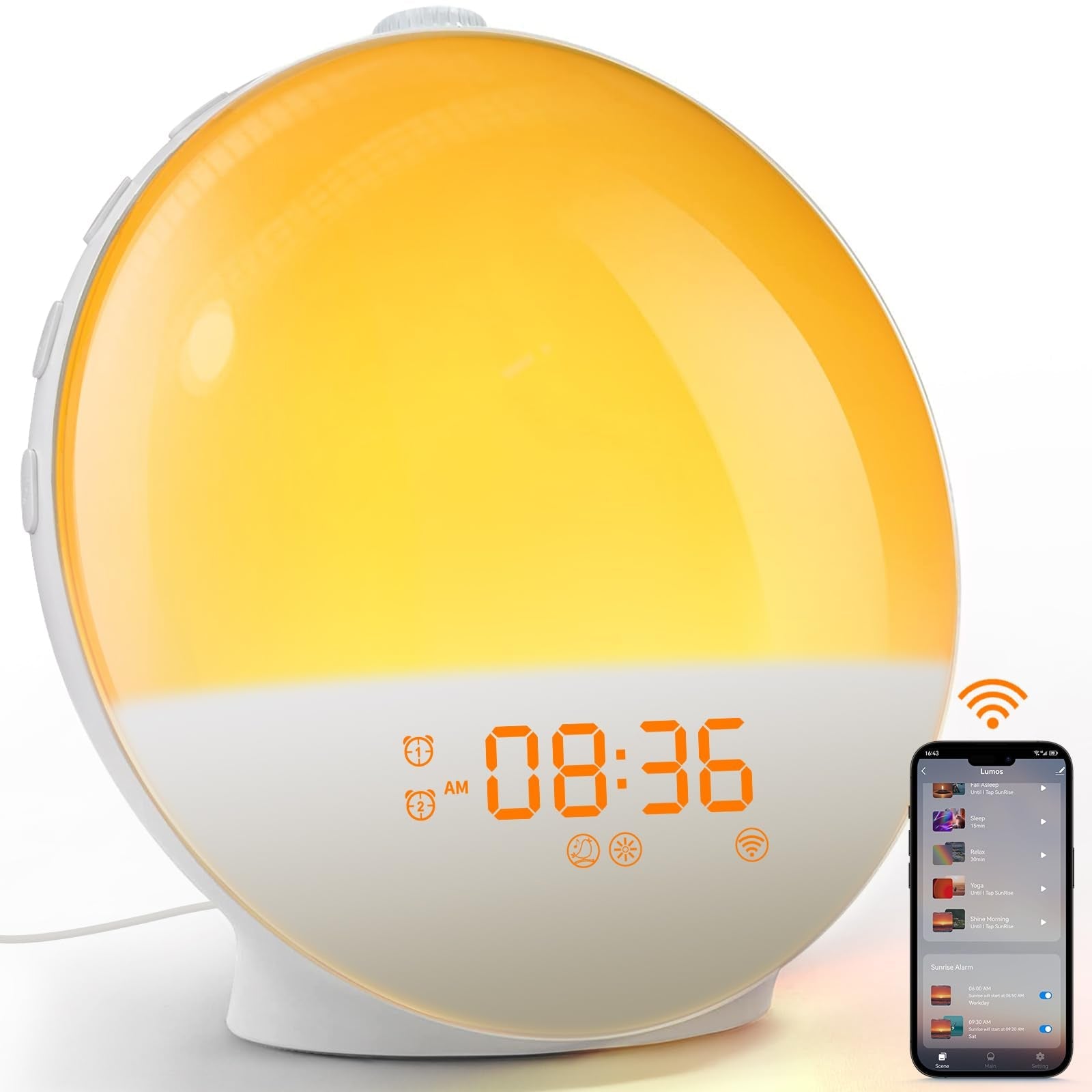
If your mornings are dark, a sunrise alarm can add a light cue in the bedroom. The DawnRise Pro brightens gradually from a warm red-orange glow before your alarm time, and you choose the sunrise length on the device. Its sunset mode slowly dims the light and softens the sound in the evening, and you choose how long the dimming lasts. All settings are made on the clock, with no app or account. For setup details, read how sunrise simulation works.
 In this guideDawnRise Pro$99.99View

Build an evening wind-down
Your body needs a signal that the day is ending. Use the same short routine each night, in the same order, so it becomes a repeatable cue.
- Dim overhead lights and use lamps instead.
- Put phones and laptops away from the bed.
- Do something low-key: a shower, stretching, reading a paper book.
- Skip caffeine in the afternoon and evening, and keep alcohol and heavy meals away from bedtime.
- Go to bed only when sleepy. If you are awake for a long stretch, get up, keep the lights low and return when drowsy.
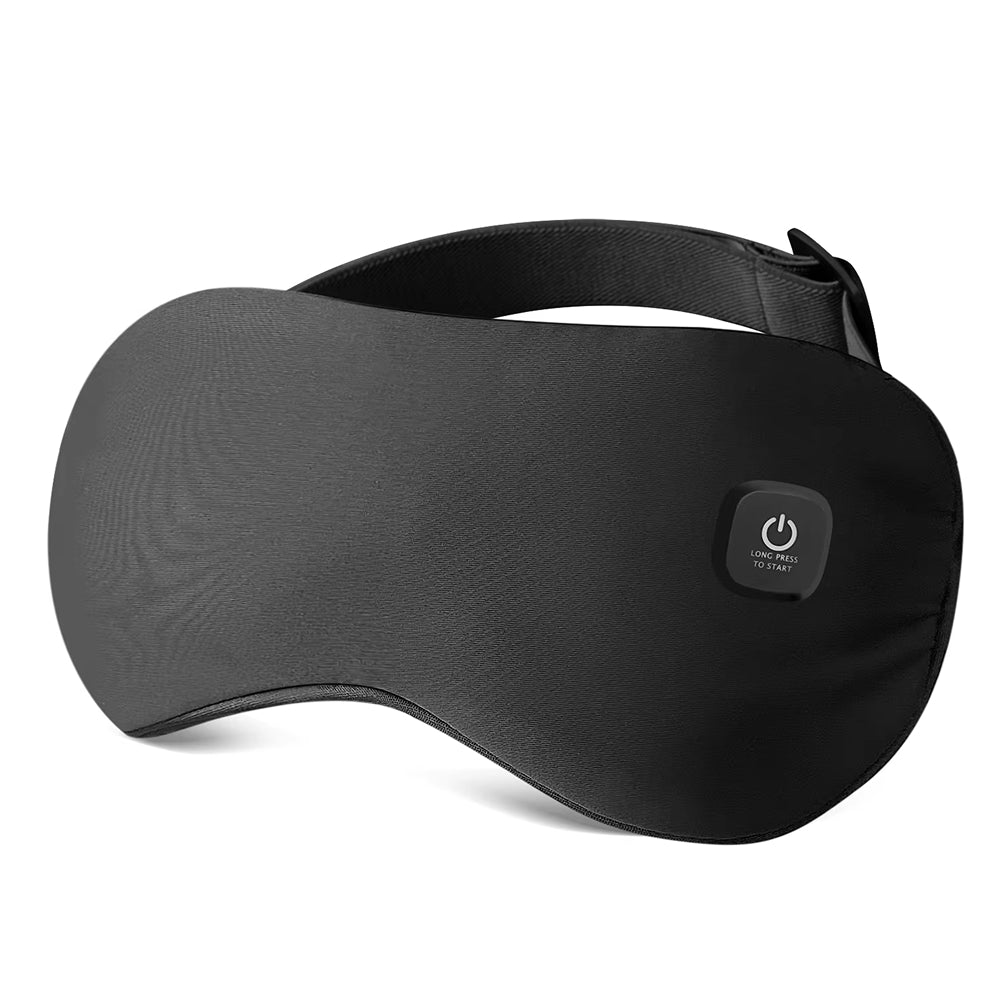
To add a warm step to the routine, the LumaRest is a cordless heated eye mask with three settings: 113°F, 131°F and 143°F. It starts at 113°F when you first press power, charges through USB-C, and an automatic shut-off timer ends each session. Follow the manual for use and cleaning, start at the lowest setting, and stop use and ask a healthcare professional if you have any concern about the heat. Browse more options in the sleep masks and sleep aids collection. If you are weighing fit and materials, this sleep mask guide covers what to check.
 In this guideLumaRest$79.99View
Bedroom setup checklist
A reset holds up when the room supports it. Check each item and adjust one at a time.
| Item | What to check |
|---|---|
| Light | Block streetlight and hallway glow; keep any display dim or off |
| Sound | Use a steady background sound if the room is noisy |
| Temperature | Keep the room on the cool side with breathable bedding |
| Devices | Charge phones across the room |
| Alarm | One alarm, placed out of arm's reach if you snooze |
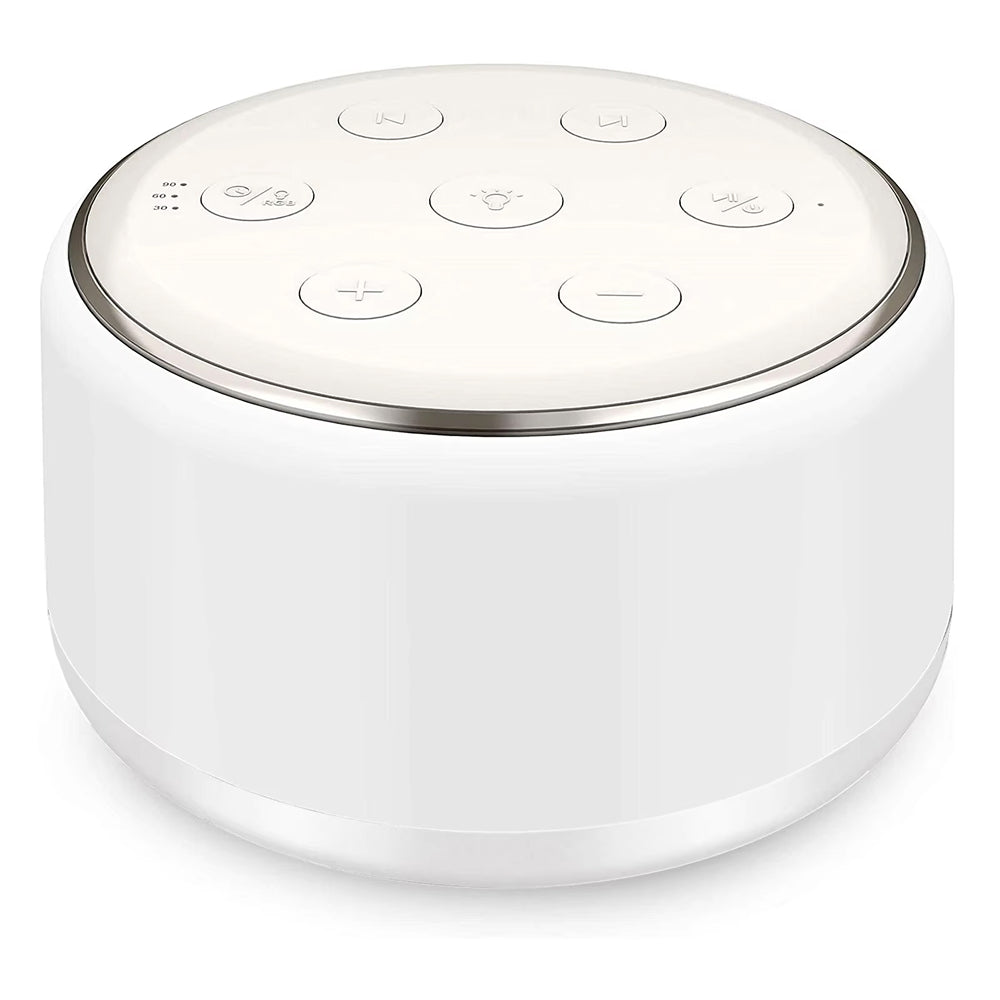
For a steady background layer, a white noise machine is one option when the room has traffic or neighbors nearby. SonaRest offers 34 soundscapes, 32 volume levels and a 7-color night light, and it charges with a Type-C USB cable. Place it on a bedside table, or just inside the door facing outward. Compare sound types in this white noise sound guide, or look through the white noise and sleep earbuds collection if you prefer something worn in bed.
 In this guideSonaRest$69.99View

Common mistakes during a reset
If you are working out how to fix sleep schedule drift, avoid these mistakes:
- Sleeping in on weekends to catch up, which moves the anchor.
- Changing bedtime by hours in one night instead of a quarter hour at a time.
- Changing the wake time while bedtime is still moving.
- Lying in bed awake for a long stretch, which links the bed with worry.
- Bright screens right before bed.
- Late caffeine.
For more room and routine checks, see the sleep hygiene checklist, which covers light, noise and temperature.
Adjusting the plan after travel or a schedule change
A trip, a new shift or a late event can pull your clock off the anchor. Return to the plan instead of starting over.
- Get up at the anchor time the next morning, even if bedtime slipped.
- Go outside or sit by a bright window soon after waking.
- Keep naps short and early in the afternoon.
- Go to bed when sleepy, a quarter hour earlier every two nights, until you reach the target bedtime.
After crossing time zones, set your wake time to the local morning as soon as you arrive and use local daylight as your cue. If a new work schedule means a different wake time, choose the new anchor, write it down and repeat the day-by-day table from Day 1.
Track sleep efficiency during the reset
Write down your bedtime, wake time and how long you took to fall asleep for two weeks. Sleep efficiency is the share of time in bed that you spend asleep. If you often lie awake in bed, go to bed a little later on nights you do not feel sleepy, and keep the wake time fixed.
Read the notes as a pattern, not a score. Look for the bedtime at which you fall asleep without a long wait and wake without a struggle, then keep it. If poor sleep goes on, ask a healthcare professional, as noted at the start.
Field note
If you slip one night, do not change the wake time. Get up at the anchor time, get light, and return to the plan that evening.